Squash Company

Squash coaching with passion

  • Squash School
  • Blog
  • Videos
  • Shop

Slowing down as you approach the ball


Smooth movement for improved shot and recovery. 

If you find you are having to rely on your speed and make a lot of sprints to retrieve the ball, or that you are rushing your shots, it may be because you are not decelerating properly. You are also not decelerating properly if your shoes make a lot of screeching sounds on the floor!

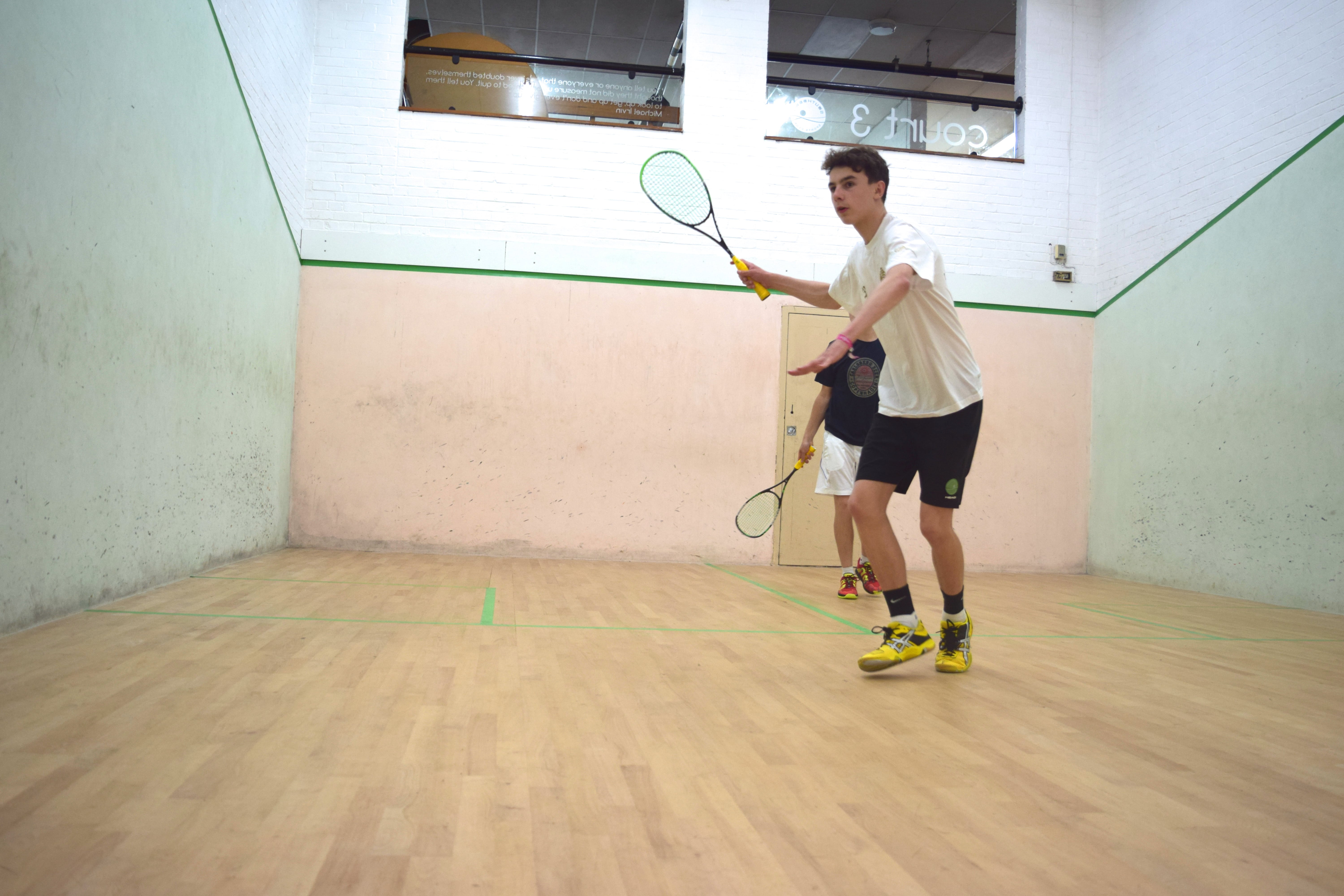
Deceleration is an important part of movement into any shot and should occur as a player starts to get close to the ball they are retrieving. Once a player is a couple of strides away, they should start slowing down their steps by changing their stride length so that their last step will be a stable lunge. This lunge will allow them to transfer their weight for a successful shot but also allow them to push off back to the T-Position using the momentum of the lunge.

Smooth movement for body and game

Deceleration as part of movement can be described using a simple analogy for anyone who drives. Decelerating is like slowing down and going into second gear and rolling gently, before moving off again. Not decelerating is like screeching to an abrupt stop, having to drop to first gear and then having to start back off again from zero. All drivers know which one is safer, healthier for your car and most comfortable!
dsc_0016-min

If you go charging into the ball without slowing down, you will have to slam on the brakes (which won’t be good for your body) and you will not only limit your positioning, you will make it more difficult to recover from your shot. Running at full speed and stopping suddenly is not good for your body. Your knees and Achilles tendons are absorbing that shock and they won’t thank you for it.

If you decelerate as you get to the ball, you are able to slow yourself down and achieve optimal positioning for your shot and lunge in to the ball. Importantly, by slowing down you also aid your movement back to the T-Position, as you are able to push back out of the shot more efficiently, which will help you to get back in position and make it harder for your opponent to make you run. If you come to a complete halt, you have lost momentum and so will have to create new momentum to start moving again and return to the T-Position.

Starting with small strides and increasing the length

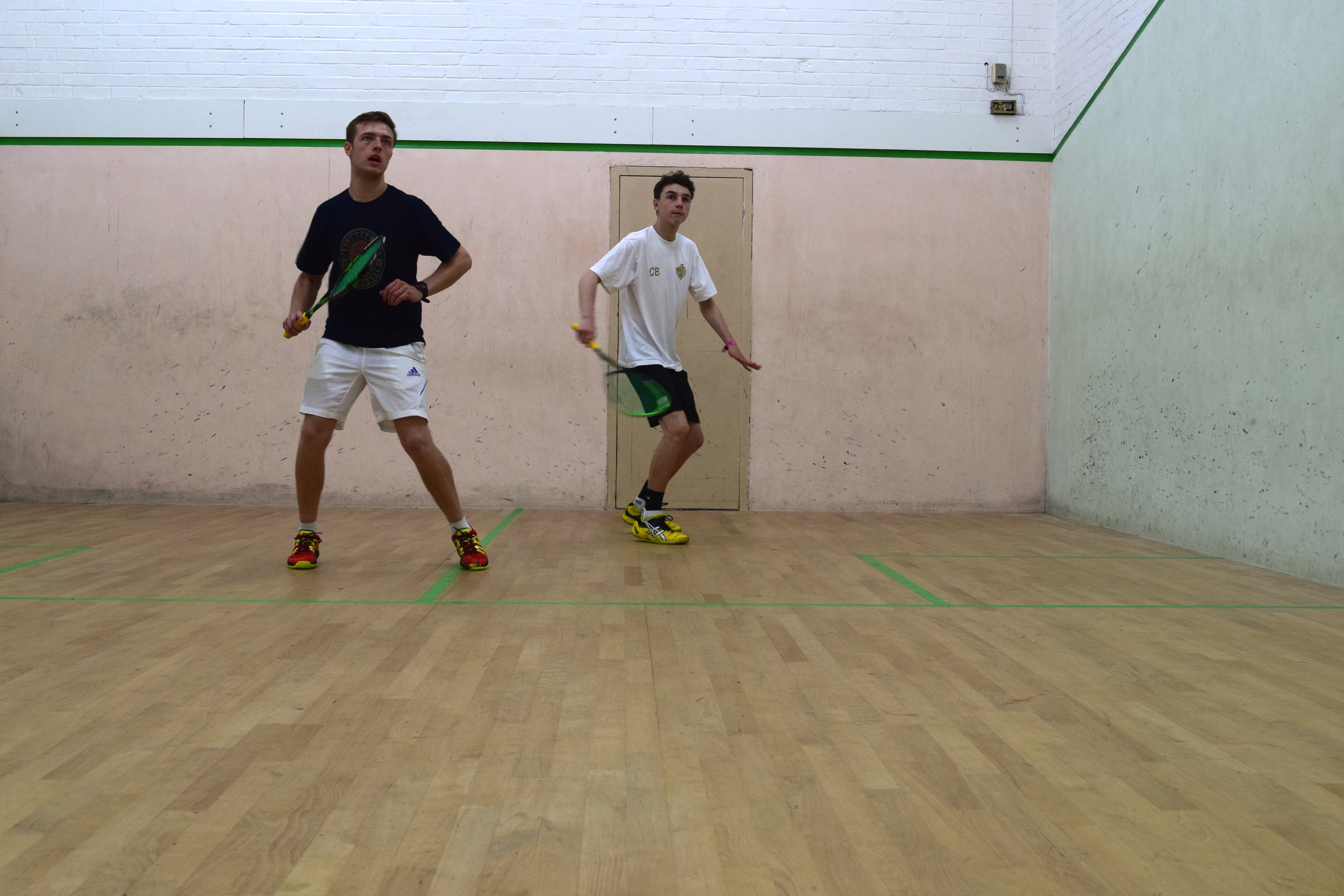
The easiest way to decelerate in squash is by taking longer strides. To make achieving longer strides easier, you should look to start your movement with smaller, quicker steps. Players who struggle to slow down and screech all over the court often start off with long steps, which is why they struggle to slow down smoothly. It can also mean they’ll overcommit to shots and so may be vulnerable to sudden changes in direction or disguised shots.

If your shoes are making lots of screeching sounds or you are rushing onto the ball, try to see if you can work in shorter strides to the start of your movement and then increase the stride length to slow down as you get closer to the ball. This should mean you are able to control games more and make your opponent do the running for a change!

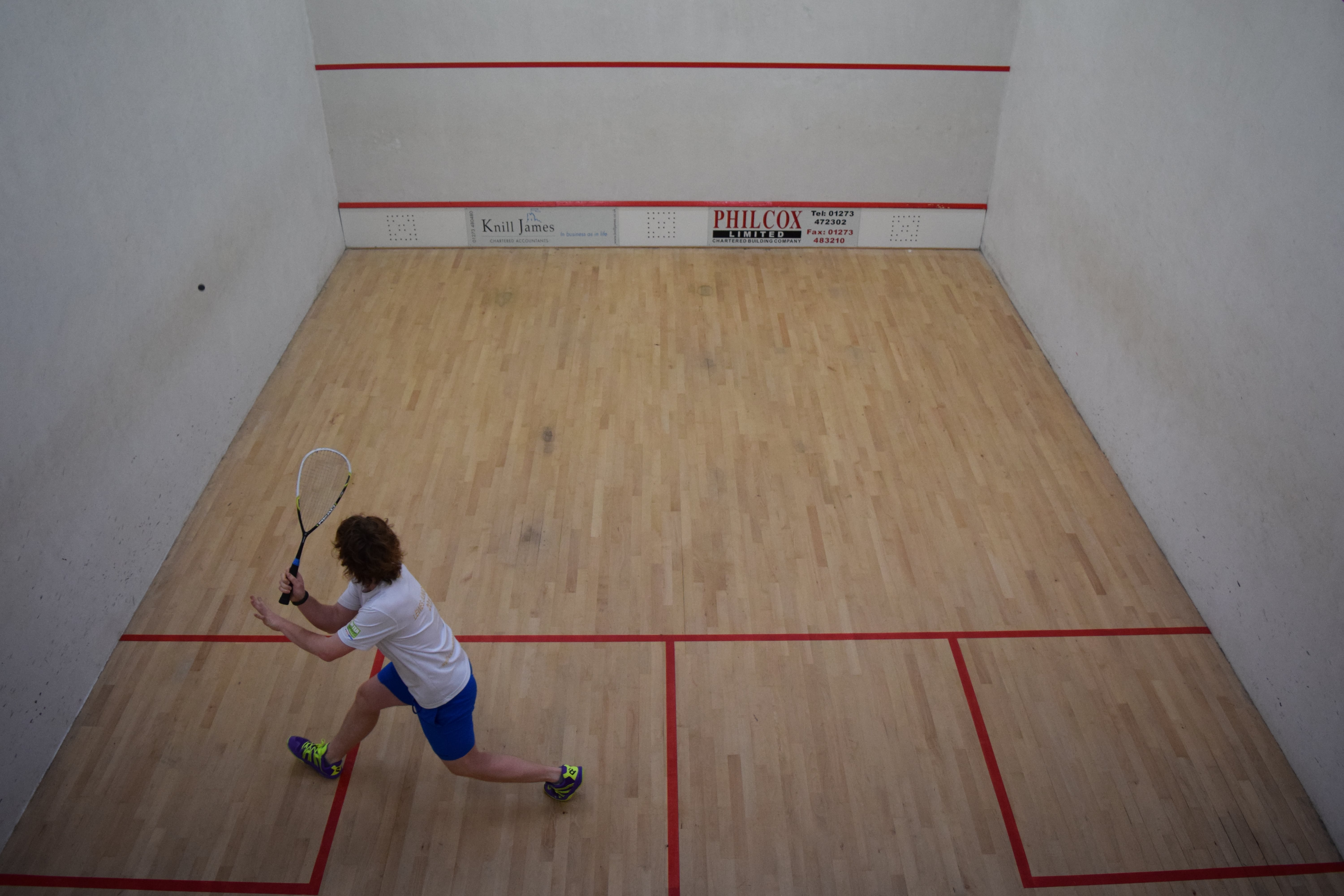
Filed Under: Movement, Physical, Positional, Tips

How do you create gaps on the court to hit the ball into?


Using the four corners to create gaps.  

We’ve discussed in a previous blog the importance of using the four corners of the court for defensive reasons, where you seek to stop an opponent’s attack and stop running by getting the ball to one of the four corners.

Today though we’re going to look at using the four corners as a means of building attacks, which perhaps suggests that you should build all of your rallies on shots to the four corners!

Disciplined attacking

I’m all for attacking squash, as you may have noticed on this site, but the key is to be disciplined when attacking and only go for the real attacking shots when the opportunity arrives and you’ve built up pressure. The opportunity might come when returning your opponent’s serve or it might not come until the hundredth shot of the rally. The important point is that it must be at the right time, which is when you are in a strong position and you have worked or been gifted an opening.

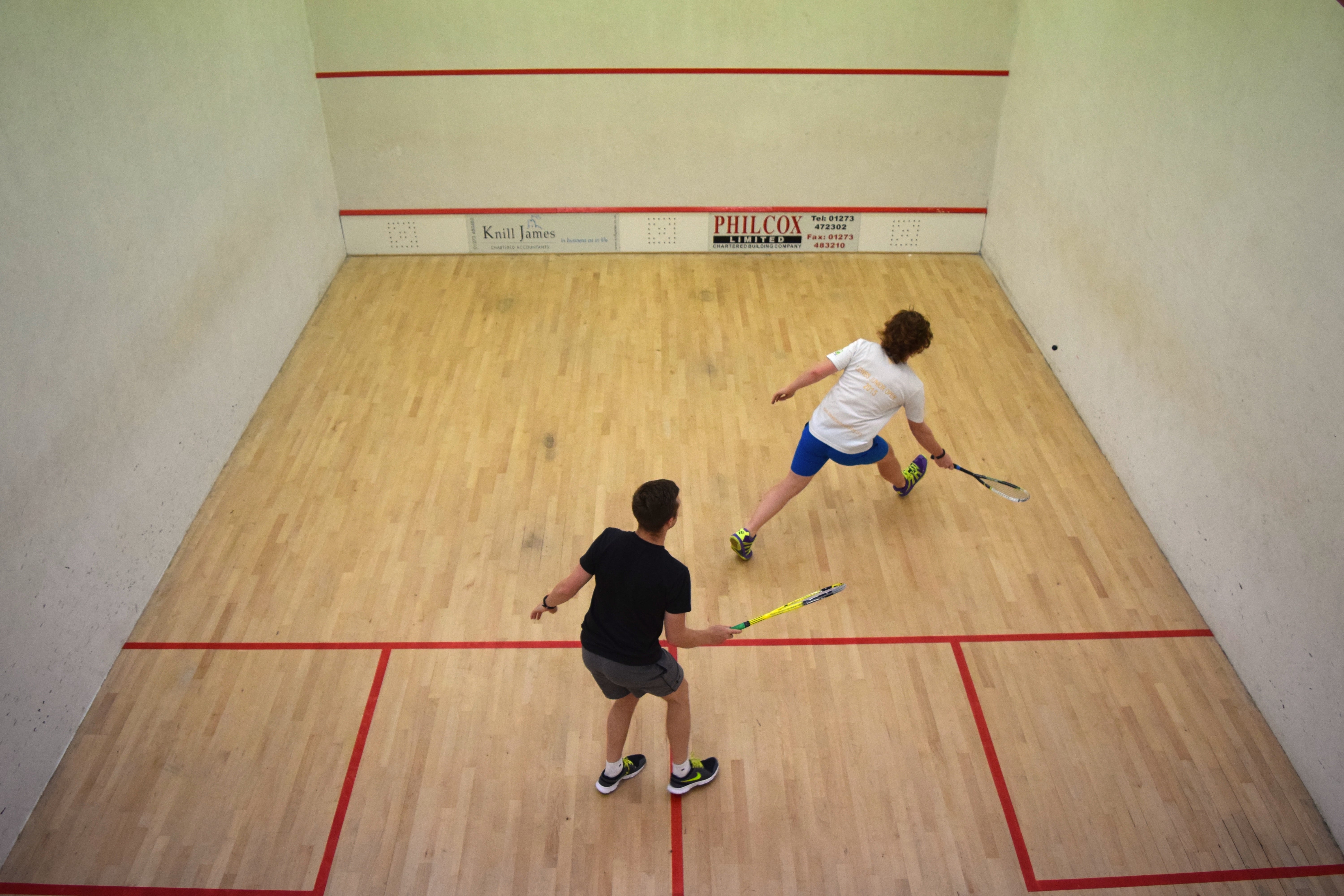
In order to create these opportunities and gaps on the court which you can exploit with your attacking shots, you should look to attack the two back corners and the two front corners. When I say corners in this instance I mean deep in the corners. Reaching the front corners would require soft drops or drop volleys and not kills or stuns or overhit drops. The same goes for the back corners; you need to achieve good length with your lobs and drives which actually get the ball right into the back corner on the second bounce.

DSC_0169-min

If you attack these four areas of the court, primarily using straight shots, you will tend to force weaker shots from your opponent if you’re accurate, especially if you keep your play simple and just keep hitting the ball away from your opponent. Once you’ve drawn out a weaker shot, you can then attack with a variety of other shots. By attacking in this way, you are also covering yourself defensively, as it’s very hard to attack shots in the four corners and so your opponent will have far fewer opportunities to attack you. It’s when we play loose shots, particularly weak cross-courts or ambitious mis-timed attacking shots, that we tend to lose rallies as we give our opponent the opportunity to attack. By following this disciplined build-up, hopefully you can restrict their opportunities while working your own.

If it’s on, it’s on

Just to reiterate – if you get the chance to attack you should take it. If your opponent leaves a gap for a boast, you should play a boast. However, over the course of games and matches, try to build your attacks primarily using the four corners so that you consistently force weaker shots from your opponent, whilst simultaneously preventing them from getting too many opportunities to attack as your shots will all be in the very corners of the court.


Filed Under: Mental, Physical, Positional, Tactical, Tips

How to stop running


DEFENCE! DEFENCE! Using the four corners to stop running around.

The most dangerous position in squash to be in is running around the court, desperately retrieving the ball whilst your opponent stands around and keeps moving you.

It can get seriously out of hand and usually results in you eventually not being able to reach a ball or causing you to making an error. Occasionally, an opponent will be a bit casual or over-eager and make an error, so you should always try to keep the ball up one shot longer, but you’d of course rather be the person standing around than the one doing the running.

Breaking out of the vicious cycle

This sort of rally can become something of a cycle. Once you start running, it can be hard to stop running. This is because your opponent has found a gap on the court between you and the T-Position and they’ve played the ball into it, which has caused you to run more than normal. As you’re running quite a bit, it’s likely your shot will be weaker than normal as the pressure may well affect your technical and mental ability, resulting in weaker shot selection and execution. Of course this then allows your opponent to apply further pressure as the gap between you and the T-Position widens even more, further impacting your shot selection and execution. If you’re fit, you may find this process going on for some time as you fight desperately to survive.

DSC_0256-min

The four corners

The main reason this running cycle is able to continue is because people start playing poor squash under pressure. Most of the time, a bad shot choice is made and then the shot is also poorly executed, which is understandable given the pressure. The worst thing you can do is play the awful cross-court or smash shot that most people attempt to play, which just gives the ball right back to the person making you do all the running. Instead, you need to try and train yourself to produce an almost automatic shot choice for these situations where you aim to get the ball deep into one of the four corners.

In my opinion, the best shots in this situation are the straight drop or a lob shot. The lob will give you time to get back to the T-Position but frequently people are unable to execute it well or the pressure is so great it’s very hard to execute well and so the lob ends up being a feed for the opponent to volley. The straight drop in my opinion is the best option, especially if your opponent is behind you, as it is a counter-attacking shot. If you feel the ball into the front corner, they then have to effectively trade places with you while you can get back towards the middle. The pressure is now on them.

The lob is a great option if they’re high up the court and so vulnerable to a lob if you do have the ability to get your racket under the ball and therefore play a good lob. If you aren’t confident in your lob, I suggest you practice it but make sure this practice is pressurised and not easy to reflect the situation where you’ll need it most.

When you’re in your match, see if you can break your opponent’s attacks up by playing into the four corners, particularly with a straight drop or lob shot, and prevent yourself running around like a headless chicken.


Filed Under: Physical, Positional, T-Position, Tactical, Tips

Do you get down low enough when you play drops?


Do you get down low enough when you play drop shots? 

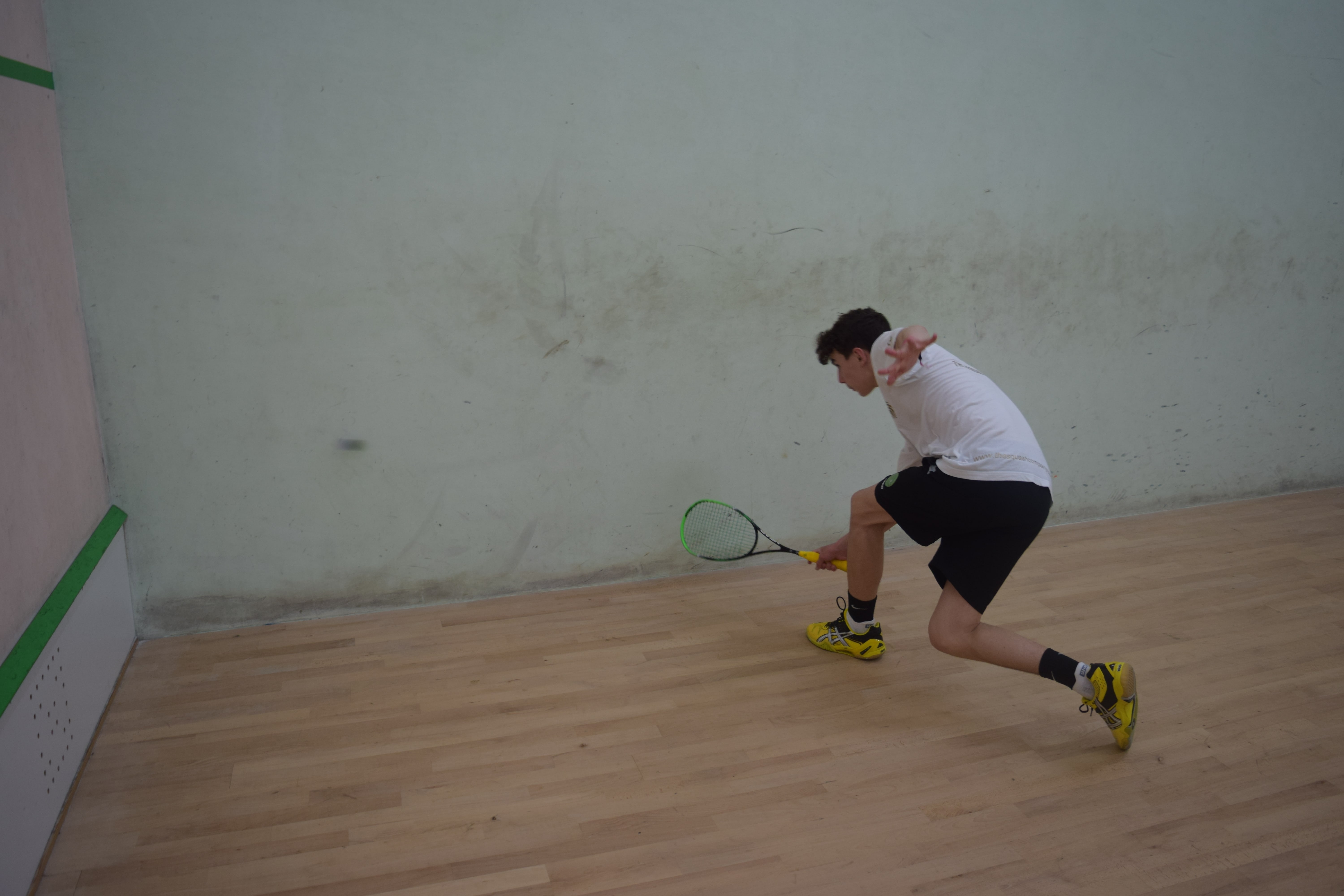
Commonly players mess up opportunities to drop at the front because they are too upright and so they end up dangling their racket at the ball rather than playing the shot properly. If you dangle your racket so that it’s hanging down in a straight line, you are unlikely to hit the right part of the ball, which of course doesn’t do your chances of playing an effective shot much good. Usually, the ‘dangle’ results in inconsistent drops with just as many going too high or hitting the tin as going in.

Getting low enough for good technique and to hit the right part of the ball

The simple answer to how low you need to get is that it needs to be low enough to get your technique right and be able to hit the bottom of the ball (or any part of the ball) if you need to. If you are going into the ball with your arm hanging straight down, you aren’t going to be able to achieve a consistently good shot as your swing will be ineffective and if you’re doing this because you’re upright, you also won’t hit the right part of the ball.

DSC_0051-min

Presumably if you’re in the front corner retrieving a drop, the ball will be low, which means you’ll need to get low enough to be in a position where you can hit the bottom part of the ball so you can gently lift the ball into the corner or for a counter drop or even play a lob shot if you wish. These will typically be your two best options as they will be the toughest shots for your opponent and allow you more T-Recovery time if you play them well.

Cocking your wrist

Cocking your wrist is a little bit frowned upon at the moment (especially since Ramy Ashour came along) but it’s important that your keep your wrist up when moving into a drop in the front corner. This doesn’t necessarily mean cocking it in the traditional sense but you need to get your lower arm back enough in that ‘triangle’ shape you would typically use when hitting a forehand shot, as you can see in the picture below. Doing this allows you to get a bit more control over your shot, which is important in this scenario.

DSC_0096-min

How do you get low?

Generally, the best way of getting low in the front is to lunge. If you go in with more of a squat or use your back to get down low, it isn’t very easy to get out of the way or get back to the T-Position, or you may find yourself in trouble if your opponent is quick into the front and looking to play long. If you lunge you can stretch in and recover the T-Position more efficiently, get your weight through the ball and also get down low enough to hit the bottom of the ball and swing with quality.

If your drop shots in the front leave something to be desired, check if you are getting down low enough to give yourself the platform for a good swing and to hit the necessary part of the ball.


Filed Under: Drops, Physical, Positional, Technical, Tips

Where is your weight when you hit the ball?


The key to hitting any shot from anywhere on the court. 

The more you learn about squash, the more it seems that it really is all about footwork and positioning.

A lot of people don’t load weight properly due to their footwork when they strike the ball and this can lead to all sorts of problems, some of which are more subtle than others.

If your footwork and weight distribution is right, squash is easy. Hitting the ball is easy. It’s all easy if you know how. Hitting the ball is all about where your weight is. If the ball is behind you, it’s hard to hit because you can only get a limited amount of weight behind it – most likely the weight of your wrist and maybe forearm. If the ball is in front of you, you can transfer a lot of weight through the ball. You can get practically your entire body transferring weight and energy to the ball.

Where’s your centre of gravity? 

For best results when you strike the ball, your weight needs to be centred in your legs – typically between the front and back leg – with more weight going towards the front leg so that as you place your foot to hit the ball you are putting your weight through the shot and therefore transferring energy into the ball. By doing this you are harnessing all of your weight and the power of gravity. The most common way of centring weight is to lunge or squat slightly.

This is why it is so difficult to get shots out of the back corners initially, as it’s not easy to get enough weight behind the ball to play a shot. As we discuss in another article, sometimes you might have to put your weight on the back leg in certain situations to give you a fighting chance of returning the ball. There will be many occasions where you can’t get your full body weight behind the ball but you have to adapt as best you can to find ways of transferring as much weight and energy as possible through the ball.

volley good-min-2

Weight and positioning: If it doesn’t hurt you now, it will hurt your next shots

Loading your weight incorrectly may not necessarily ruin the shot you are playing (although it often does stop it from being as good as it could be!), as many players can still control the ball well in spite of bad weight distribution, but it will impact on your next shot positionally. If your weight is in the wrong place, it will affect your ability to recover the T-Position, which will likely limit the quality of your next shot. You’ll have to do a lot of work to change the direction of your weight in order to get to the next shot. This will of course leave you playing catch up and put you under pressure, which is not the ideal environment you want for playing your shot.

So if you don’t get your weight right, you may find yourself trapped somewhere on the court and leaving a big gap for your opponent to hit the ball into.

Clearing the ball & weight in the upper body

As mentioned above, some people can still control the ball well despite not loading their weight onto their legs properly and stretching in. Often they are very upright when they hit the ball and this means that they aren’t transferring as much weight as is possible, which means that not only is the shot not reaching its full potential but also that they’re not going to be able clear the ball and return to the T-Position easily, as they can’t push back explosively off their front leg. This means it’s a struggle to cover the opponent’s next shot properly, which means their next shot will be weaker. The opponent can then attack the weaker shot and apply pressure, which can lead to even more running if the player can manage to stay in the rally.

Keep an eye on where your weight is when you play the ball. Are you channelling it efficiently through the ball? You’d be amazed what you can do and where you can do it from when you master your weight.


Filed Under: Movement, Physical, Positional, Tips

  • « Previous Page
  • 1
  • 2
  • 3
  • 4
  • 5
  • Next Page »


Terms | Privacy policy | Contact | About us
Web Development By S G Barker.