Squash Company

Squash coaching with passion

  • Squash School
  • Blog
  • Videos
  • Shop

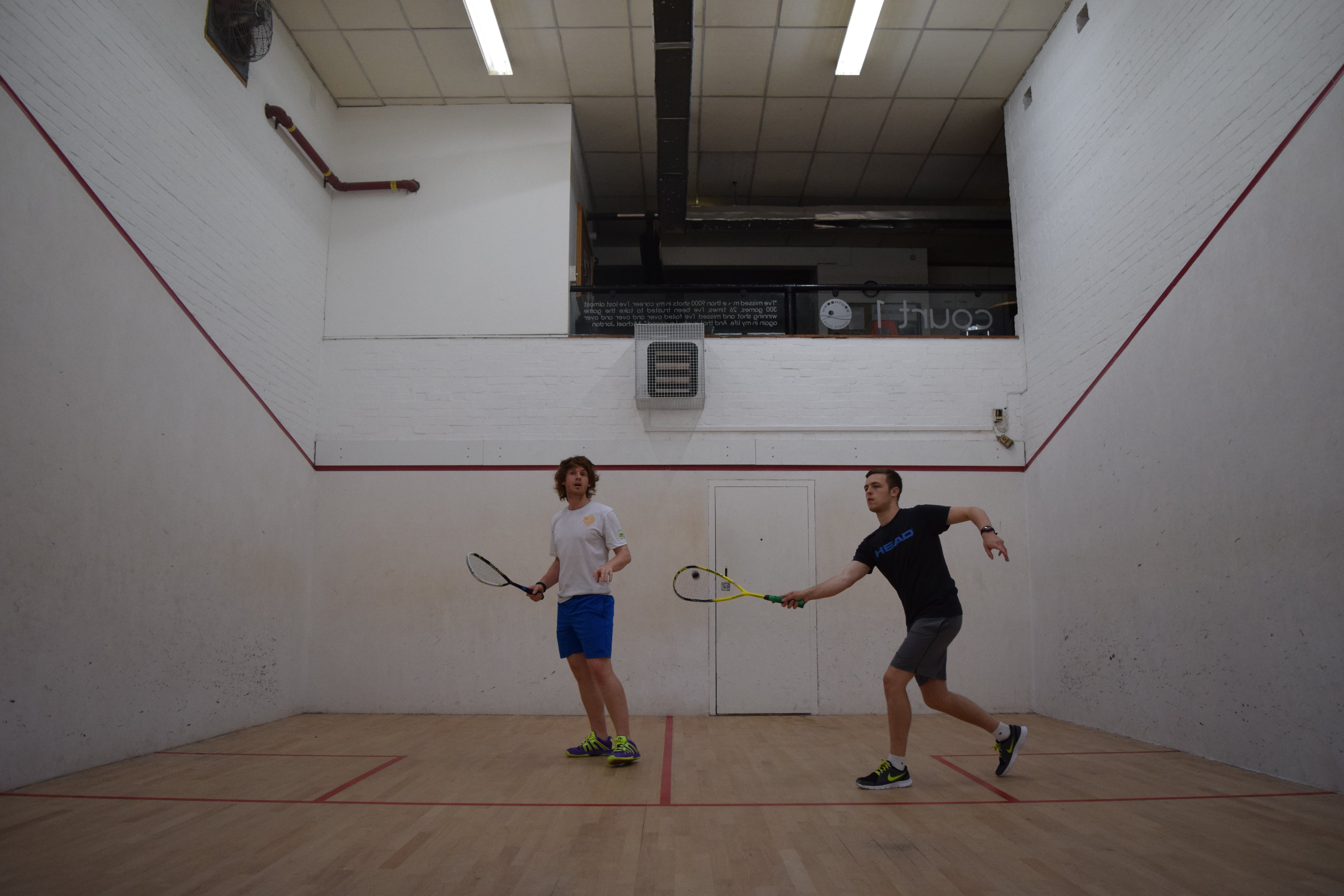
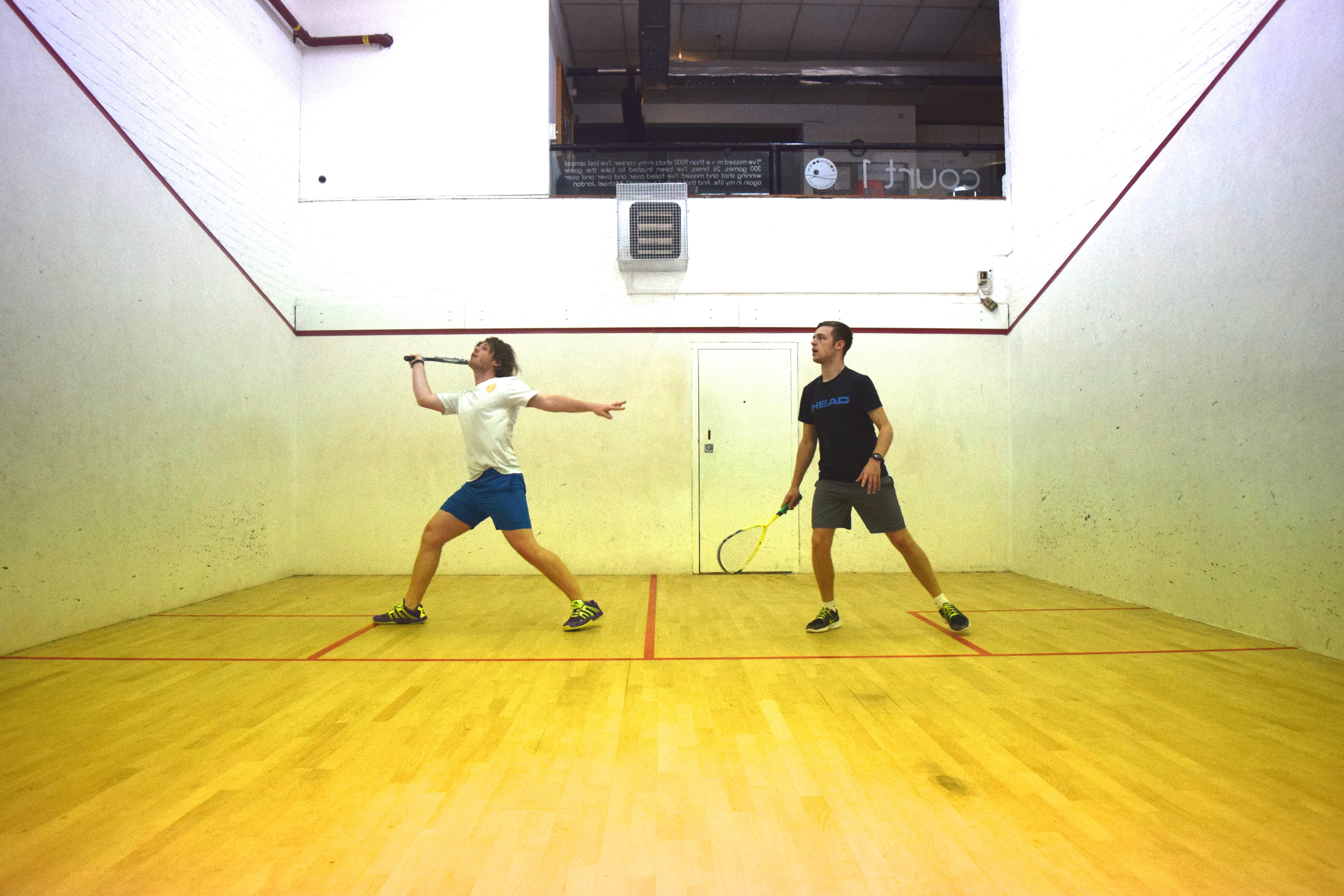
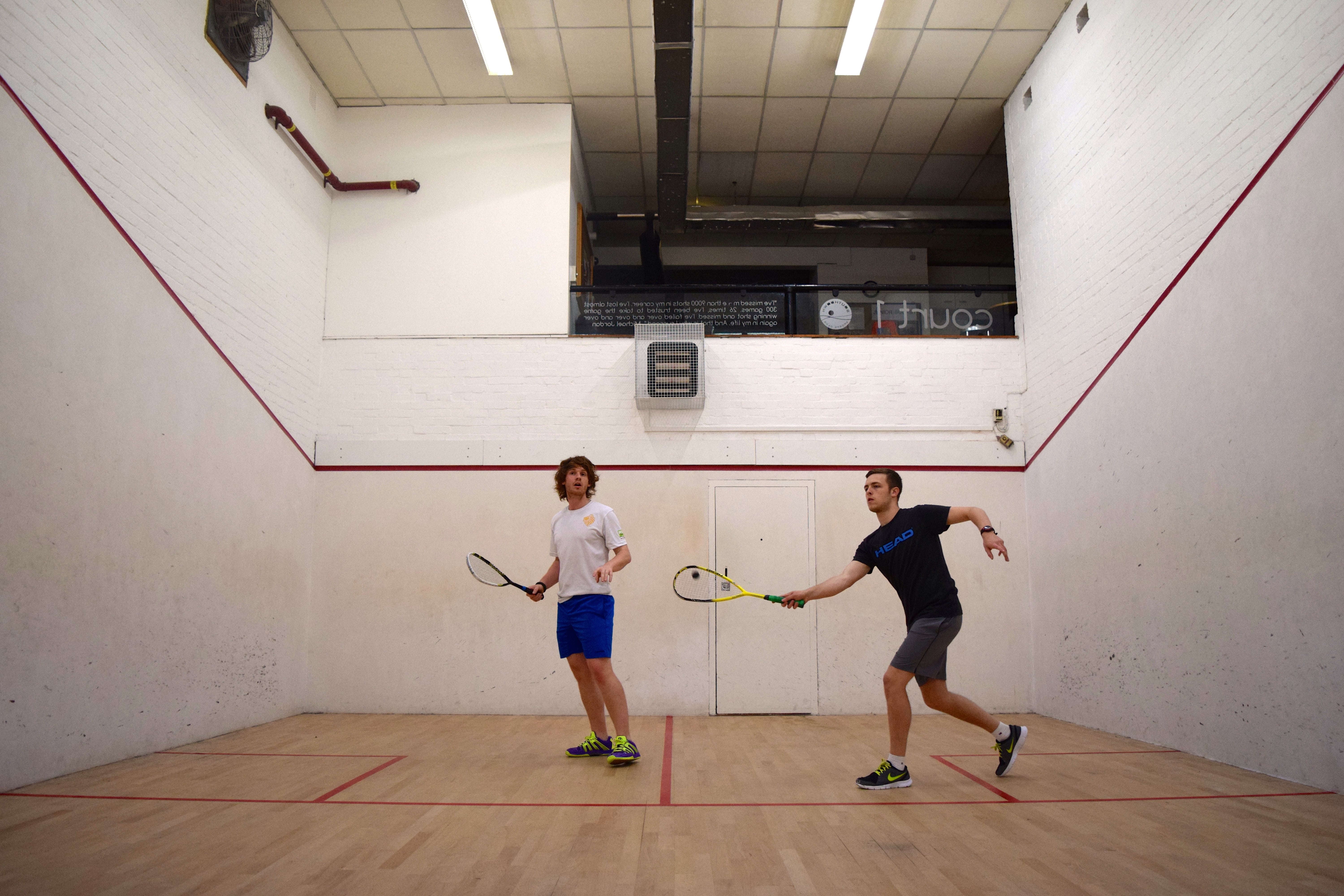
Following through on backhand serve

As we’ve previously discussed on this blog, the backhand serve has so many advantages over a forehand serve when the server is serving from their forehand side of the court. It allows the server to move straight towards the T-Position as they hit the ball, to watch their opponent and it also creates an angle that keeps the ball closer to the side wall after it hits it. This last point means that returns of serve are often significantly weaker, which is perfect for you as it might give you an easy opportunity to attack or win the rally immediately, leaving your opponent struggling to get into the game.


The common mistake

Almost everyone serves using their forehand on both sides of the court when they start playing, which can make the backhand serve seem unnatural. This often leads to people having a go at it but giving up on it when it feels awkward or gangly. The easiest thing to do is to treat the backhand serve as a backhand volley, which is exactly what it is. By imagining that you are hitting a backhand volley, a player can shred some of the awkwardness that often causes backhand serves to be short or go out of play. Players with perfectly good backhand volleys will often go to play a backhand serve with a really strange and awkward looking technique and movement.

Throwing the ball 

As well as the awkward swing, the other thing that often hampers players playing the backhand serve is throwing the ball too close to their bodies as they go to serve. This adds to the awkwardness of the swing as the server then has little space in which to swing. When you throw the ball up for a backhand serve, make sure that it goes away from your body and gives you space enough to step towards the ball and swing with plenty of space. You might need to try a this a few times to get a feel for how much space you need to provide yourself with when you throw the ball. You can also check out our posts on using different throws when you serve and how to use the throw to make your lob serve even deadlier.

If you are struggling with the backhand serve, persevere. The dividends in the long run will be incredible. Experiment with the throw a little bit to ensure you have enough space and make sure your swing is fluid and resembles the swing you would use when hitting a backhand volley. It won’t be long before you get the hang of it and it will start to become a staple of your game.

For more tips on how to play the backhand serve, check out our page dedicated to it here. 


Filed Under: Serves, Technical, Tips

The importance of the serve in attack (and defence!)


It’s very easy for the serve to get sidelined in squash. It’s not very fancy and has never been described as spectacular and no one is ever overly enthusiastic about improving or developing their serve. It’s just something you have to do to start a rally of squash. I can’t think of a shot people like to practise less and in truth, it’s not always very fun or energetic to coach, as even with jazzing it up it still basically involves lots of serving and not much else at times.

The serve as a creator of chances

 Spectacular or not, you should ask yourself what your serve adds, or possibly takes away, from your game. Does it create chances for you to apply pressure to your opponent or even set you up for a winning shot opportunity? Worse, does it do this for your opponent? I guarantee there is at least one player at your club or in your leagues who wins the majority of the points from serving and then puts away a weak return with a drop, drop volley or little boast. Typically this person is older and needs the serve – commonly a lob serve – to create chances for them as they can’t compete physically and win points through retrieving or through creating opportunities with consistent driving. Why though can’t even the fittest and accomplished players extract weak returns with their serves? The serve should be seen as a shot with the potential to start off an attack. If your serve is hard to return, you can force a weak shot so you can start attacking to apply pressure immediately, maybe even win the rally. Why waste such an opportunity to create an opening? The serve is a great opportunity due to its unique nature in giving you the time to line up your shot and play it exactly as you wish without pressure.

Take a moment to reflect on your game and think about whether the serve creates any chances for you to attack or if it actually gives your opponent an opening. If it is giving your opponent a chance to attack or isn’t creating anything for you, it’s worth taking some time to practise your serve.

You can check out our pages on the serve for tips on different types of serves you can play and how you can make them more effective.


Filed Under: Serves, Tactical

A small tip for an even deadlier lob serve


Dropping the ball, not throwing it

A small thing that could make your lob serves even harder to return comes in the way you throw the ball – or don’t throw it. Typically, we all throw the ball up to hit it when we serve, as this throw gives the ball some momentum and energy, making it easier to hit, and of course gives us space to swing.

However, you can use the throw to have different effects on your serve, as we’ve discussed previously. To enhance your slow, high lob serve even more you can ‘drop’ the ball rather than throwing it, or roll it down your hand and let it fall out, so that the ball has less momentum and energy. When you then hit your lob serve, the ball has less energy and momentum than normal and so if you aim it right, it will just drop or fall into the back corner and never be in danger of coming back out.

It can be a little tricky at first but it’s a nice addition to the lob serve and can make for a nice option to have available to you against players who dread a slow ball or serve, or those who struggle to deal with shots high in the air.


Filed Under: Serves, Tips

Accepting short term loss if you want to improve


Short term pain, long term gain

One thing I often hear from players who I coach when I ask how something that we are working on or have worked on is going, they’ll frequently say things along the lines of ‘Oh, I didn’t really want to practise it because I feared I would lose that game if I did’ or ‘I tried it one time and gave away an easy point, so I’ll leave it for an easier match or game’. I believe this is a bad mindset to have if you want to improve.

Firstly, what does it matter if you lose a game or match? It isn’t a big deal and it won’t appear on the front or the back page of the newspaper tomorrow and no one will die or be hurt because of it. Secondly, on a more practical level, difficult games or training is exactly the time you need to make a change, as these are the occasions when you will need to use your new skill or thinking. It’s no good practising at a low or easy pace or when playing a weaker player because it will give you more time or because you will win anyway. If you spend most of your time playing squash against people who will test you and cause you to play at a high pace, then you need to practise in that same environment. It’s precisely in these difficult matches that you need to do something to change a shot or technique you desire to improve, even if it comes at the cost of losing some matches. It will be repaid tenfold down the line when you win more matches because you have a higher skill level.

It sounds a bit like a Yoda quote from Star Wars, or maybe even a Nike advert, but go ahead and do the shot, grip or tactic. Just do it. Don’t try or have a go – just go for it. It might not come off immediately or the first time but just keep doing it in time, no matter what the outcome and soon you will find the outcome and results taking care of themselves. 

Building in my backhand serve

When I was first adopting a backhand serve, I just started playing it during matches. It certainly didn’t always work out for me and a few ended up out of court or in the nick via my opponent’s racket. It typically didn’t cost me the match though; even if it did play a part, there were typically other factors which caused me to lose. In time, I began to get adept at playing it in matches and it actually happened surprisingly quickly. Had I only ever played a backhand serve during low pressure situations or in training, I never would have picked it up as quickly as I did.

If you want to change or improve something about your game, do it now. Start doing it immediately – don’t wait for the right situation or the right circumstances – they’ll never arrive and if they do they’ll seldom be the circumstances you need to actually make quality and long last improvements to your game.


Filed Under: Coaching, Serves, Tips

Return serves into the four corners!


Claiming the T-Position at the start of the rally. 

A lot of rallies are decided before they’ve really even begun during the serve and return of serve phase.

Most people realise the benefits of volleying an opponent’s serve and most people are able to volley the majority of serves after playing for a while but people don’t always consider what sort of volleys they are playing or where they are hitting the ball too.

Hitting the four corners

It sounds very simple and possibly very boring but most serves should be volleyed into one of the four traditional corners of the court (some have argued for their being eight or more ‘corners’). By volleying the serve into one of these corners, you are forcing your opponent away from the T-Position. When your volley doesn’t reach or go to one of the four corners, it is much easier for your opponent to get to your shot and they will be far more likely to retain the T-Position, which is bad news for you. If you play a loose return or return to the middle, you will likely find yourself under pressure immediately against a stronger player or even that you have lost the rally after the next shot.

Personally, I think the majority of your serve returns should be straight long volleys, as this is the shot that when played well will get you to the T-Position and get your opponent behind you, which is the perfect start to any rally (except for hitting the nick). The cross-court volley and short volley are good return options to use sparingly to catch your opponent out but both need slightly more accuracy or they will sit up nicely for a well placed opponent. The volley lob is a particularly nice option if your opponent plays a high lob serve.

Using boasts or kills

If you go for boasts, kill shots or simply hit an inaccurate shot which ends up anywhere near the middle of the court, you won’t move your opponent away from the T-Position as much. Kills and boasts can be effective returns if you are able to catch your opponent over anticipating and moving to one side of the court very early. This is typically best done on occasion as your opponent won’t be expecting such a shot or if you disguise your intentions well.

Have a good look at your return of serve and see if it is helping you get off to a good start to rallies or if it is actually leaving you vulnerable early in the rally. There are lots of players out there who play well once they get into the rally but often don’t make it that far because their serve or return isn’t of a high enough standard. Don’t be that player – practice and improve your serve and return.


Filed Under: Return of Serve, Serves, Tactical, Tips, Volley

  • 1
  • 2
  • 3
  • Next Page »


Terms | Privacy policy | Contact | About us
Web Development By S G Barker.