Squash Company

Squash coaching with passion

  • Squash School
  • Blog
  • Videos
  • Shop

Using different throws when you serve


Get different effects on your serve. 

We’ve talked before about different ways you can mix up your serve to give yourself a slightly better chance of coming out of the serve and return exchange on top, such as varying the style of serve you hit and changing the side you serve from first from time to time. In this post however, we’ll discuss other small changes you can make by changing the way you throw the ball as you go to serve.

Slightly backwards 

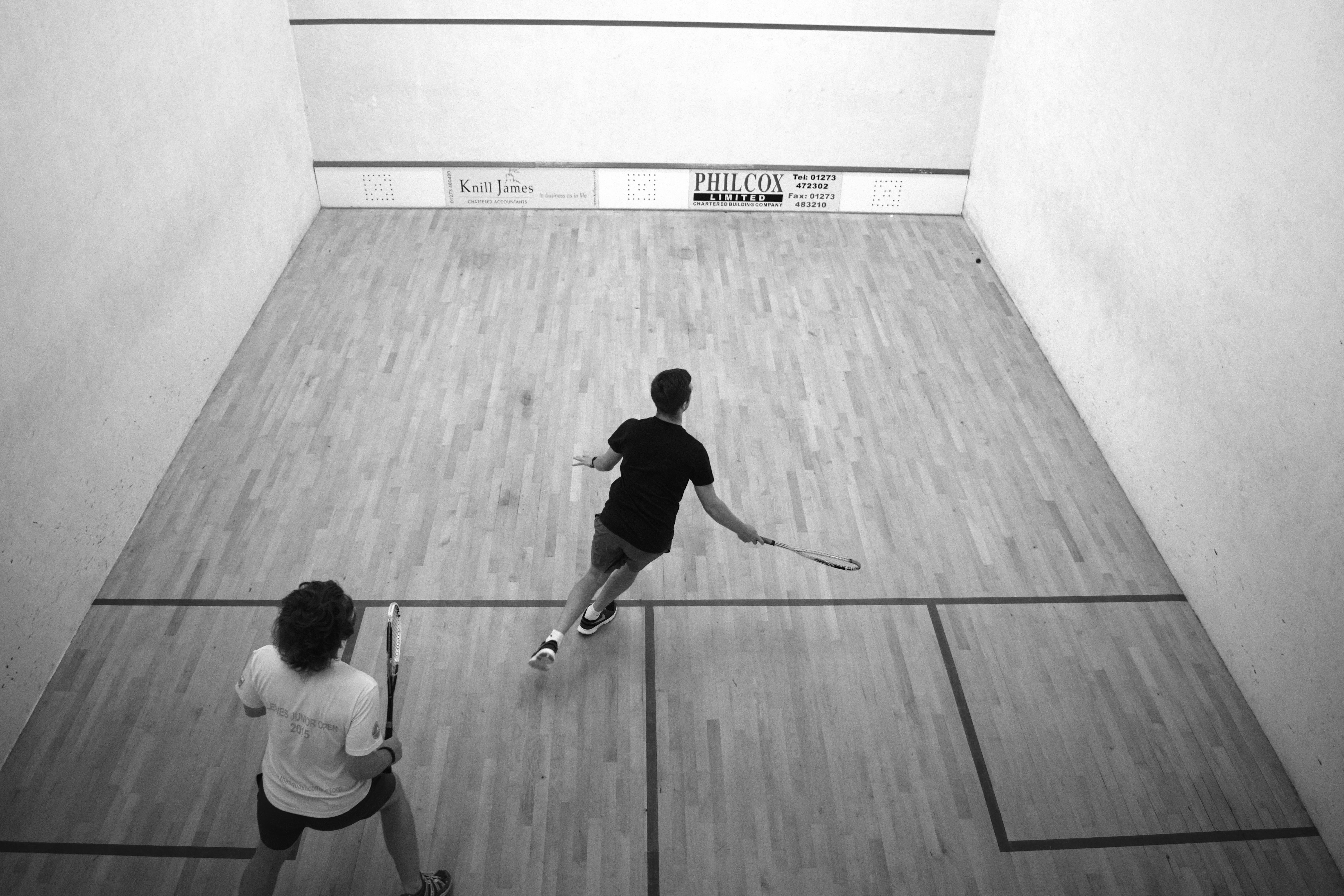
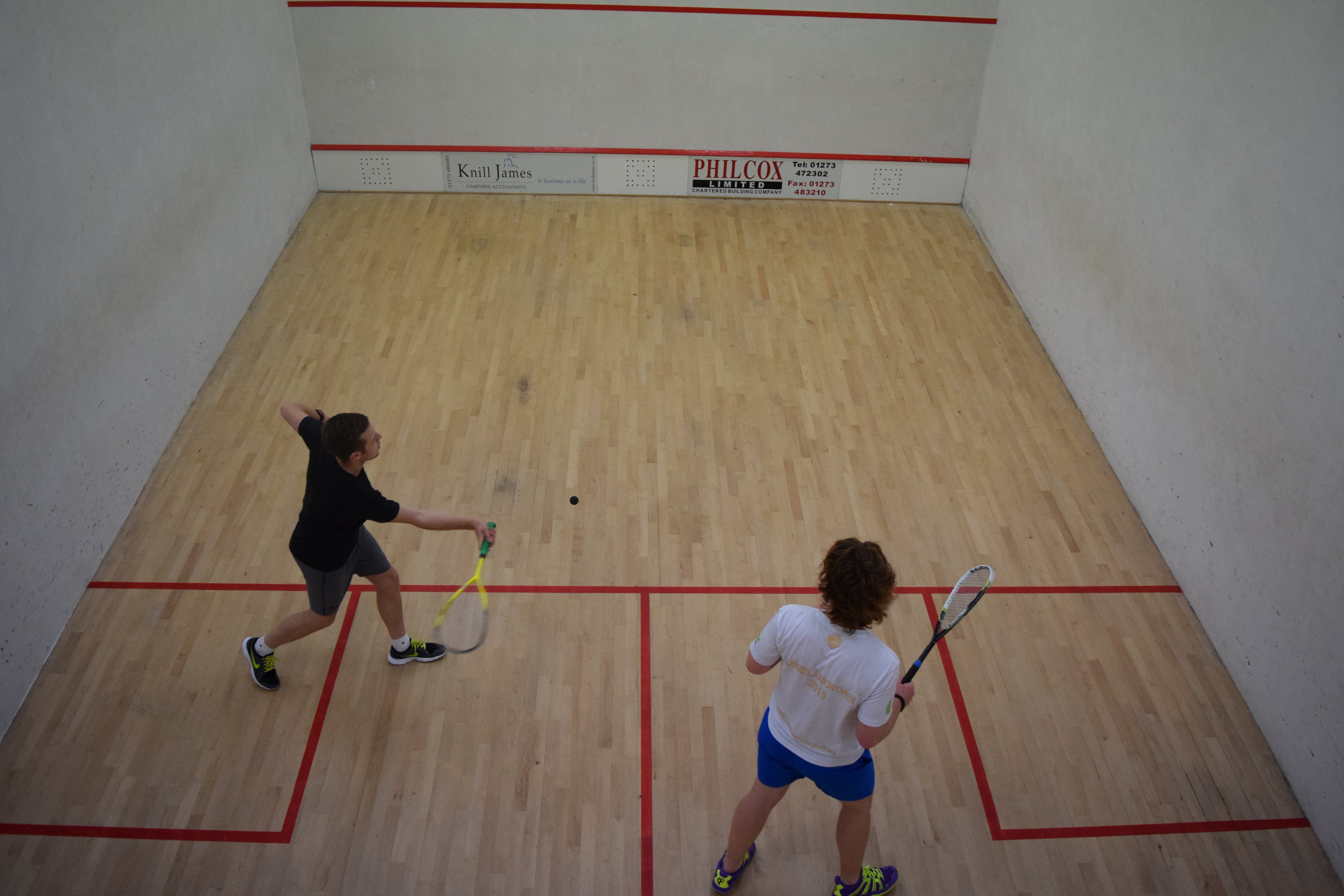
One way of changing the throw I find very useful is to throw the ball backwards slightly as if you were going to catch it with your racket hand. By doing this, you change the angle of your shot and cause the ball to go towards the side wall more. If you can get this timing right, you can get the ball to consistently go like an arrow towards the side wall just behind the service box so that it is hard to volley but also cannot be left to bounce.
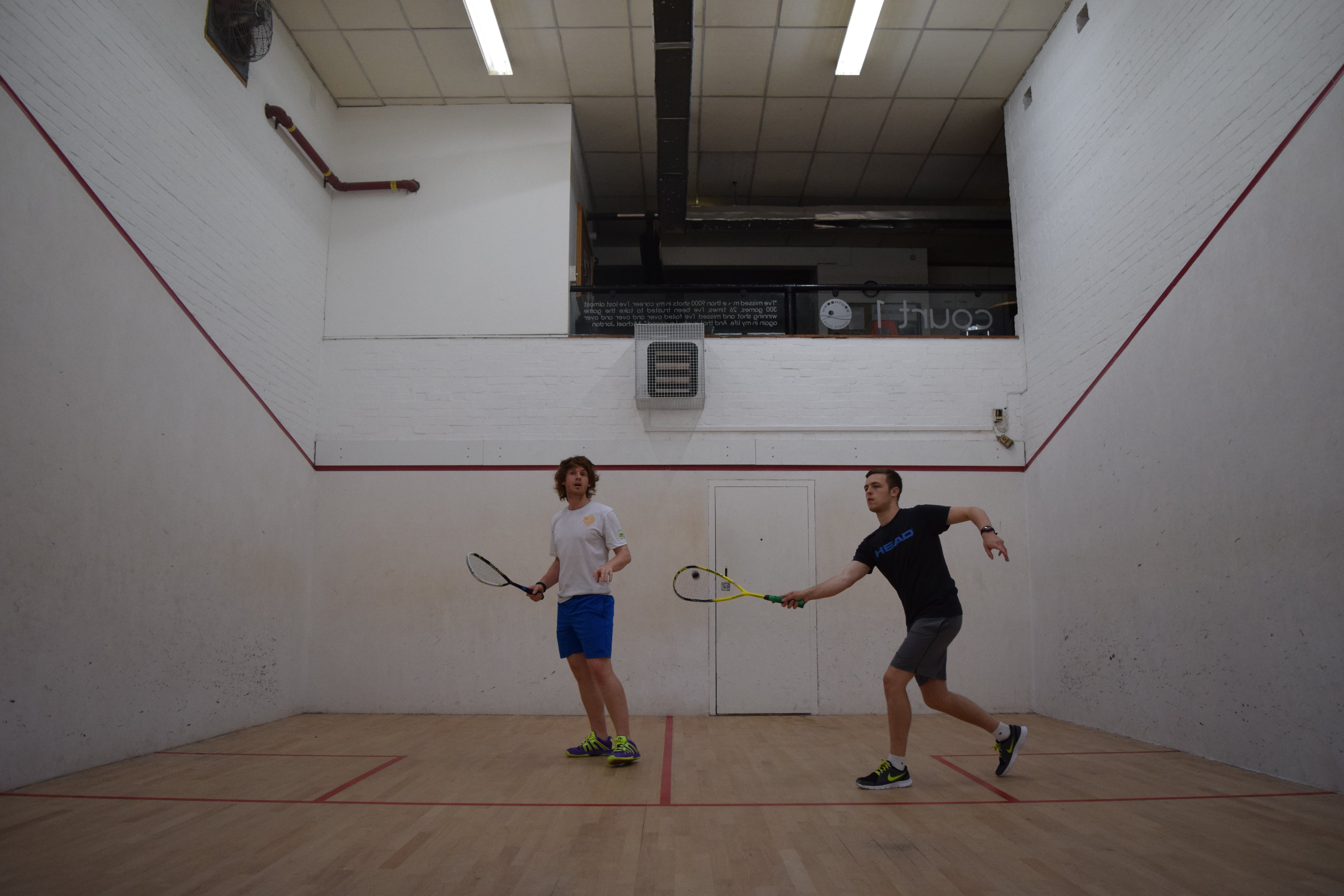
Serve-min-2

Spin

No matter what the pace of serve you are hitting, you might find it can be improved by spinning the ball as you throw it. This can add even more spin to your serve, which can improve its depth and also give it a nasty kick off the side wall, both of which can make it more difficult to return.

Dead ball 

Another way of throwing the ball you might consider is to drop the ball almost rather than throwing it. Have a go at literally letting the ball roll out of your hand before hitting a lob serve. This can make your lob serve even slower and help it to die in the back corner, making it even trickier to return.

Many more…

There are a number of ways and effects you can use when you throw the ball to make your serve even more difficult to return, so be sure to experiment with little additions to make your game that little bit better.
Filed Under: Return of Serve, Serves, Technical

What to do when you can’t run…


There’s always a time. 

I played a match this week when I was recovering from injury and probably wasn’t really fit enough. I don’t recommend playing when you’re injured in the slightest. I’ve done it before and paid, and you will too if you do it. It may seem brave but when you play on through injury, there is a good chance you will make it worse and be out injured for longer.

If you can’t run for other reasons i.e. tiredness, lack of fitness or your opponent is a lot fitter than you, here’s what you do:

The Three Shot Rally Rule 

The last thing you want to do is get caught up in long rallies when you’re tired, so you should aim to change the rules of engagement; try to make the rallies end within three or four shots. This doesn’t mean aiming to outlandish winners from your opponent’s serve or aiming to hit amazing trick shots, but to make sure that every shot is geared towards winning the rally. Every shot should be attacking – your Drives should be low and bouncing twice before the back wall, you should continually look to twist and turn your opponent and you should take any opportunities to go short. Whenever you get an opening or an opportunity, don’t hesitate to take it, even half-chances. If you’re wanting to win still you’ll need to play to win so you’ll need to take a few chances.

Breaking your opponent’s rhythm

Playing three or four shot rallies will upset the rhythm of most players anyhow but it’s worth also doing other small things where you can to break your opponent’s rhythm. By this I mean stopping them getting momentum or getting a run of points. If they do this, it’ll be hard to peg them back if they’re in better shape than you.

photo new -min

Increased importance of Serve and Return

Serve and Return is a big opportunity to stifle their momentum. Try to vary your Serve frequently. Throwing in a few awkward Body Serves is certainly recommended, as these are good for unsettling your opponent. I said earlier that this style isn’t about going for amazing winners on your opponent’s Serve but it is something to consider from time to time. If your opponent has just won the Serve, it can be very effective to go for a Straight or Cross-Court Drop Volley to try and stop them before they put together a sequence of points.

Try out the Three Shot Rule strategy and see how it works for you. It’s a style and tactic worth practicing, as some day you might need it if you come up against an opponent who is a lot fitter or you’re playing your fifth match of the day.


Filed Under: Return of Serve, Serves, Tactical, Tips

Watching the ball properly on the Return of Serve 


That shot could be even better if you watched the ball…

It still amazes me how many players don’t watch the ball. I’m now occasionally prone to losing the ball from time to time when I’ve been coaching for hours as my mind starts to wander, but there’s no excuse for not watching when playing – especially when waiting to receive your opponent’s serve.

Returning Serve 

A lot of people don’t watch the ball when their opponent is serving, which still strikes me as amazing. Firstly, I’m amazed that they don’t think to watch the ball and I’m often amazed that they are often able to return it – often on the volley. Think how good they could be at volleying if they only watched the ball! They’d be able to take it so much earlier and take even more time away from their opponent, which would make their volley twice as dangerous.

Not watching the serve might not lose you the rally immediately but it will leave you in a weaker position that you could’ve been in. If you’re doing well anyway, just imagine how much better it could still be simply by watching the ball.

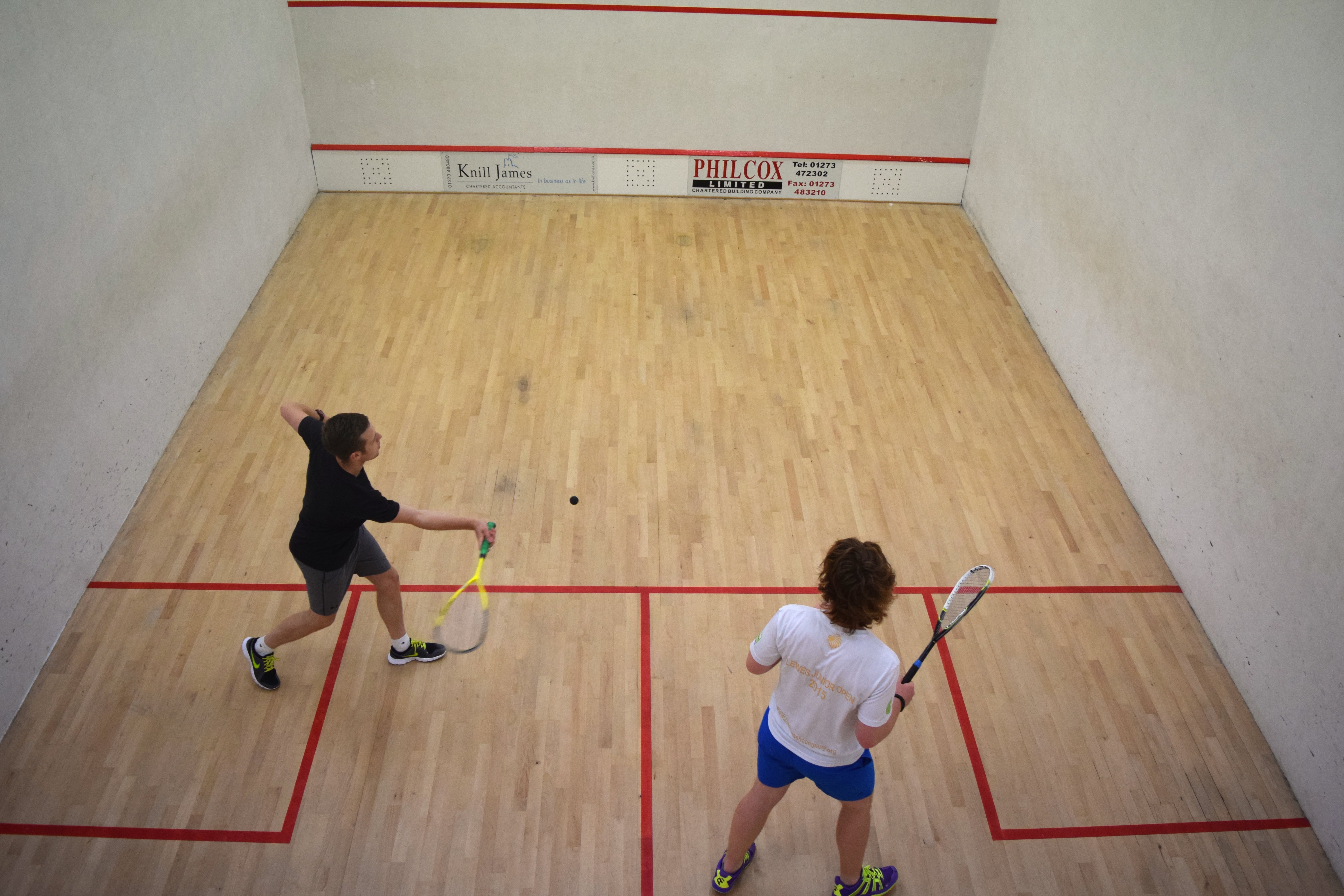
serve-3-min
When you watch the wall, you miss the first half of the ball’s travel and therefore miss out on valuable cues and information about the serve’s direction. This can affect your movement and positioning in particular, as if you watch the ball your feet will start readying you to hit the ball. If you don’t watch it, your feet will typically either not move or drift over in auto-pilot and leave you too close to the ball. Both of these will reduce the quality of your shot and this could prevent you from getting into the rally properly, as your opponent may be able to attack this weaker return and put you under pressure. The way you watch the ball is important too, as depending on your eyes you may need to turn your head so that you get both eyeballs on the ball.

This is not something limited to beginners either. I’ve seen lots of players do it at Division 1 and even Premier Level County Leagues before. Check you are watching the ball as your opponent serves it. All the way from their hand to the racket to the wall. Every step of the way. If you see your friend doing it, tell them to watch the serve too – but only after you’ve taken full advantage of it and beaten them.


Filed Under: Return of Serve, Serves, Tips

The importance of the backhand serve  


All the small things add up. 

The backhand serve is a serve played using a backhand swing from the forehand side of the server.

The backhand serve is a little trickier to execute at first for most players as people tend to start off with weaker backhands so they get comfortable with a forehand serve from both sides and by then, it’s difficult to change.

There are so many advantages to being able to play a backhand serve though that once you get to a certain level, it’s almost obligatory. Even as a beginner the backhand serve is still very relevant, as serves can already be difficult to return in general and a well executed backhand serve is even more difficult to return.

For more on how to play a backhand serve, click here. You can also watch our YouTube video on the backhand serve by clicking here.

serve backhand-2-min

Watching 

When you play a backhand serve, you are able to watch the ball properly the entire time, as with all the will in the world, you will lose track of the ball whilst playing a forehand serve from the forehand side of the court. You’ll also be able to watch the opponent better as well as you’ll be facing in their direction as with the ball.

Movement

Movement wise a backhand serve is also beneficial, as you are stepping towards the T-Position when you serve and the momentum of the serve will nearly take you there on its own. The serve and return of serve is all about who gets the T-Position in the early exchanges of the rally, so any advantage like this should be seized upon.

The spin 

When you play a backhand serve from the forehand side, the ball won’t come off the side wall so much which means it would be more difficult for your opponent to return. When you play a forehand shot, the ball bounces out off the side wall quite a long way like when you play a cross-court drive. When you play a backhand serve however, the ball behaves like it would for a straight length shot and stays tighter to the side wall, which is typically more difficult for your opponent to hit.

WARNING: Some players play a backhand serve from their backhand side of the court but this is the same as playing a forehand serve from the forehand side of the court. You are facing away from your opponent and the T-Position, as well as the direction of travel of the ball.

Even if you struggle at first, it’s a real investment in your long term game to practice the backhand serve.


Filed Under: Serves, Technical, Tips

Do you vary your serve in squash?


Vary your serve to disrupt your opponent’s momentum with your service in squash.

When it comes to practice and training in squash, serves are almost always neglected. Think about it: this is absurd. The serve begins the rally. It is possibly the most important shot in the game; it determines whether you will be on the front foot or the back foot at the start of the rally, which often defines the course of that rally.

The serve is also unique. Unlike any other shot in the game, you can take your time with a serve. You can take a few seconds to pick your spot and line up your shot and that little bit of thinking time can be crucial.

My question to you is do you vary your service? Most players tend to have one serve they favour the majority of the time they serve, usually either a smash serve (a fast, low serve) or a lob serve (slow, high serve).

Whilst serving doesn’t directly provide points in the same way it does in sports like Tennis, we all have experienced a player with a tricky serve that makes life uncomfortable for us. Often it is the older gentleman with the awkward lob serve that seems to just drop in the back corner never to be seen again. Even against these lob serve merchants though, we gradually adapt. We get to the stage where we are able to handle and deal with their serves. We might not like it but we are able to eventually produce efficient returns, unless there is a gulf in playing standard.

No matter how good your serve, if it becomes predictable, people will learn to deal with it. Of course, if you have a great lob service, you should make it the staple of your service game but every now and then, throw in a few smash or body serves just as your opponent is starting to come to grips with the height and pace.

serve-5-min

If you watch your opponent’s positioning as they await your serve, you will notice it is very pragmatic. They will adjust based on your most recent service patterns. If you have been serving high and slow, they may push forward looking to volley it high up or they may drop back looking to take it lower if they have been struggling to cope with the height of the ball.

No matter how good your serve, if it becomes predictable, people will learn to deal with it. Of course, if you have a great lob service, you should make it the staple of your service game but every now and then, throw in a few smash or body serves just as your opponent is starting to come to grips with the height and pace.”

Look for these subtle adjustments and when you spot them, change your serve again to catch your opponent cold. The aim is to keep pulling the rug from under their feet every time they think they are getting a stable footing with your serve. This can keep them perpetually defending with their first shot of the game, which is a massive advantage for you. An old adversary of mine saw me moving too early preparing for a volley return on my forehand and so he used to elect to serve to my forehand first and drill the serve down the middle and it caught me out. It just goes to show you need to consider the angle of your serve based on your opponent’s positioning and vary it accordingly.

It is particularly important you vary your serve against players who look to win points regularly with their serve return. These are typically players with a strong drop volley or nick-shot and are often able to score several points a game with their shot. If you keep varying your serve and use a good dose of all of the three major types of serve – the lob, smash and body (when the serve is played down the middle towards your opponent) – you will severely limit this weapon and frustrate them. It disrupts their rhythm, as a few awkward serves can lead to a few scrappy rallies and cheap points, which can derail an opponent who previously had the momentum.

In the post ‘Which side should you serve to first?’, we discuss another thing you can do to vary your serve, which is serving to different sides to gain an advantage. Give it a go! See what benefits can be had from trying to vary your serve.


Filed Under: Return of Serve, Serves, Tactical, Tips

  • « Previous Page
  • 1
  • 2
  • 3
  • Next Page »


Terms | Privacy policy | Contact | About us
Web Development By S G Barker.