Squash Company

Squash coaching with passion

  • Squash School
  • Blog
  • Videos
  • Shop

The rise of the two wall boast


In squash, when you think of a boast you tend to conjure up an image of a shot hitting three walls; the side wall you’ve hit the ball into, the front wall and then the side wall on the far side. This boast is a fairly defensive shot and in many ways fairly limited shot, as it often sits up quite nicely for the opponent to attack.

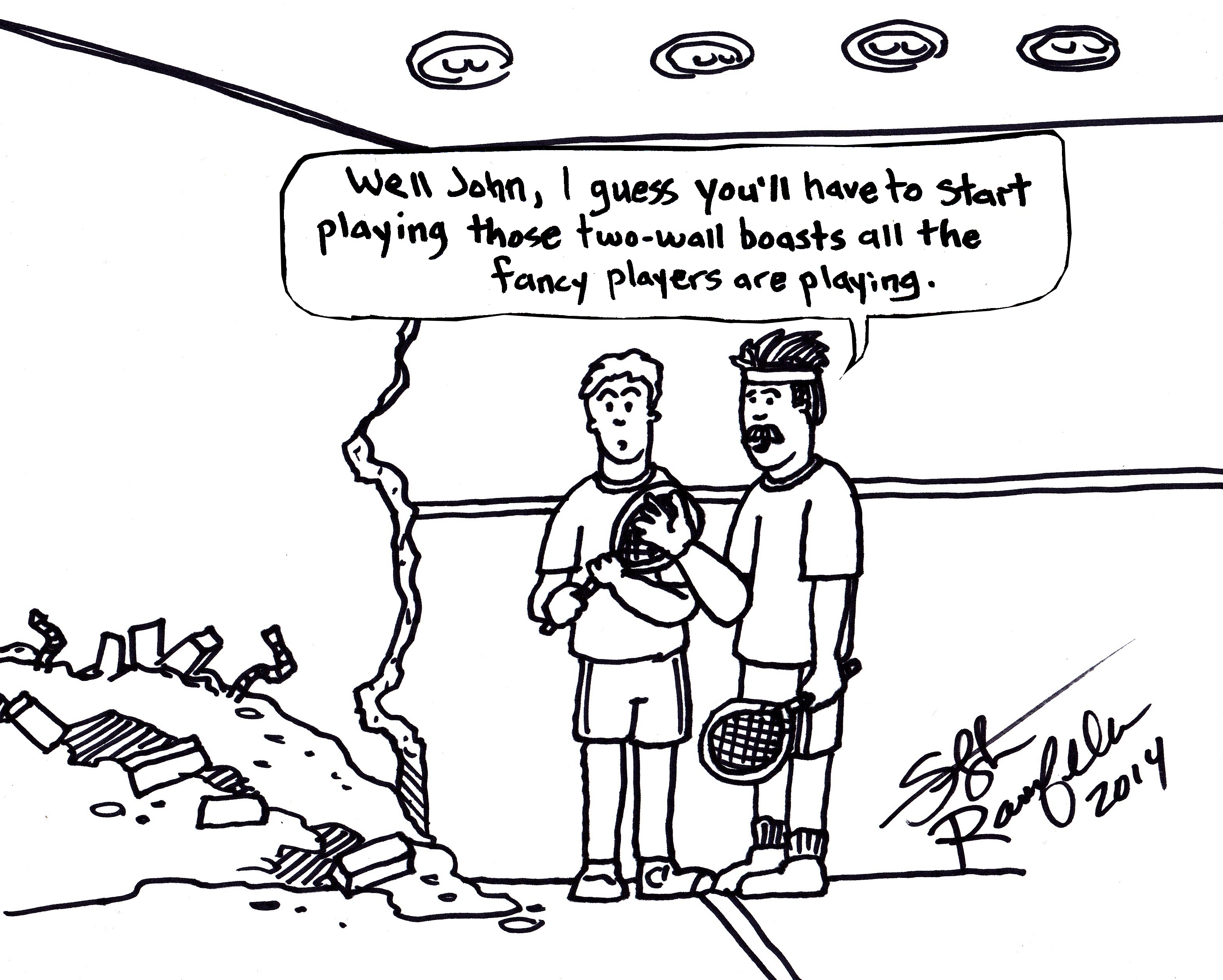
At the top level, three wall boasts are becoming few and far between. They are something of a last ditch shot on the majority of occasions with almost all boasts now being played with the aim of bouncing twice before the far side wall, making them only two wall boasts.

The reason the two wall boast is becoming so prominent is because it can put immense pressure on your opponent.
two or three wall boasts

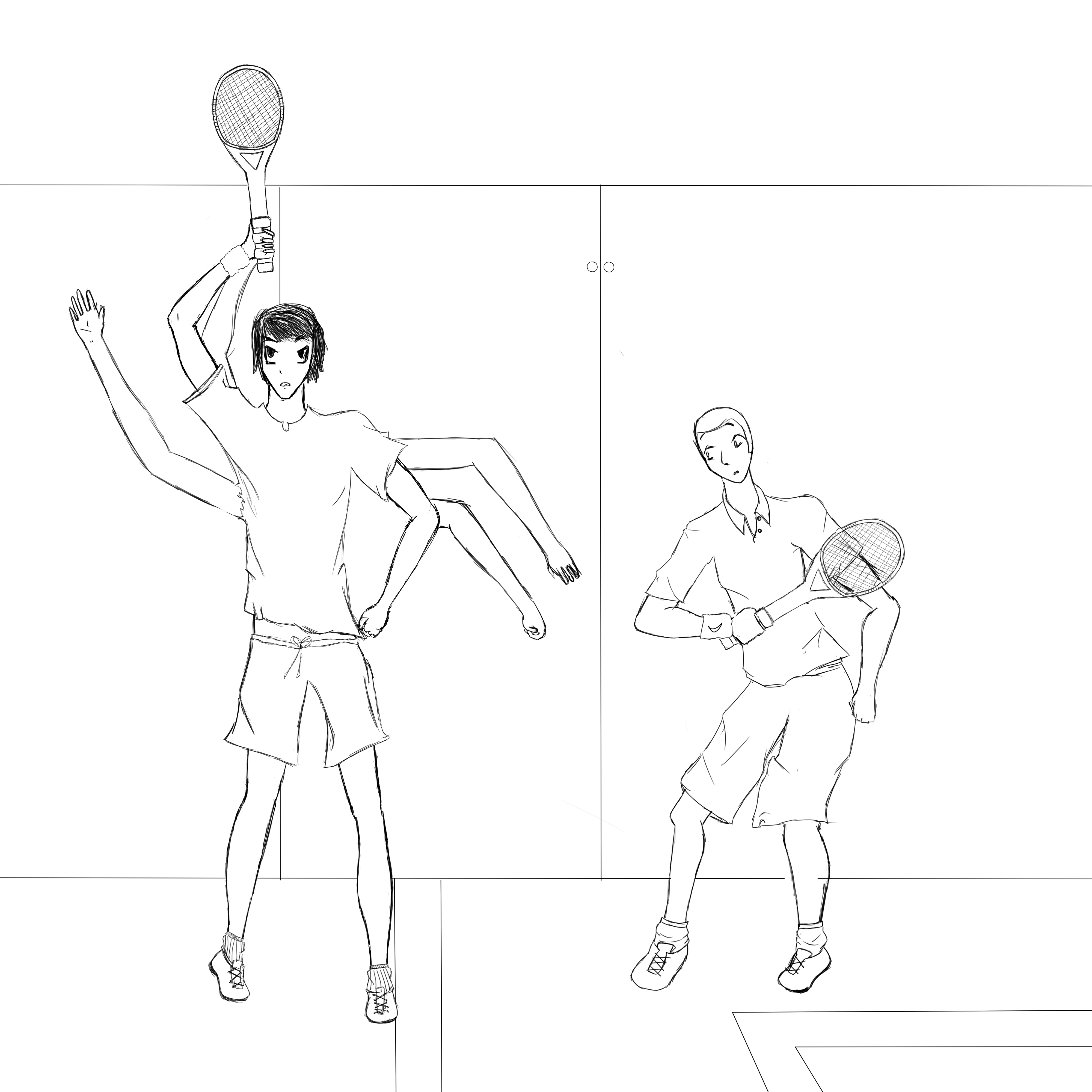
If a two wall boast is played correctly (this is not always easy), the ball will hit the middle of the front wall and bounce twice before the far side wall, meaning your opponent will have to lunge down low to recover the ball, which will require significant speed and energy and leave them awkwardly placed.

Not that the three wall boast’s obituary should be written just yet – it can be better to play a three wall boast than attempt a weak length shot from a tight position in the corner and it can give you time if you are in trouble. A few are even playing the three wall boast at an incredible pace to make it bounce back to the middle so it is more awkward for the opponent, which we talk about in another blog post.

What makes the two wall boast an effective weapon is that you can be in a bad position at the back of the court and still have the opportunity to play it. In just one shot, you can go from being under pressure to being the player on top.

It’s a fantastic combination shot and if your opponent is deep and not covering the T properly or has started to drift towards one side of the court expecting a straight drive,  it can be a useful winning shot to have up your sleeve.

If played correctly (this is not always easy), the ball will hit the middle of the front wall and bounce twice before the far side wall, meaning your opponent will have to lunge down low to recover the ball, which will require significant speed and energy and leave them awkwardly placed.”

It’s also a shot you can experiment with and vary. A two wall boast can be played soft like a drop or fizzed in hard and low and can also be played at an angle so narrow that is stays on the same side as which it was hit.

Lastly, it is also useful as a combo shot as more often than not players will respond to a two wall boast by going to length with the next shot, often a cross-court lob, leaving you with a volley opportunity.

Try it and see if you can catch your opponent cold with a few two wall boasts.


Filed Under: Boasts, Tactical, Technical, Tips Tagged With: boast, boast shot, three wall boast, two wall boast

Changing your grip and racket face for different shots in Squash


Have you ever tried changing the grip for different shots? Or changed the way you hold your racket during a rally to aid a particular shot? Or played with the angle of the racket face from the default stance of ‘open’? Perhaps you’ve gripped your racket higher up the handle when the ball was in the back corners of the court in order to give you more control and leverage for digging a dying ball out of the back. Or maybe you’ve opened your grip up to further open the racket face when going for a drop shot.

Amr Shabana, the Four-Time World Open Champion, does this to great effect. He frequently slides his hand up and down his racket, changing the grip depending on the shot he is playing.

As a general rule of thumb, the lower you hold the racket on the handle, the more power you get. The higher you hold it, the more control. This is why it is almost universally recommended that you grip the handle somewhere in the middle, so that you can achieve both.

There are certainly shots and situations where changing your grip can help though, such as in the aforementioned example of being in the back corner. Holding the racket a little higher allows you to get more control on the ball and not only stay in a rally but stay in it with interest.

Changing your grip and racket face for different shots

As a general rule of thumb, the lower you hold the racket on the handle, the more power you get. The higher you hold it, the more control. This is why it is almost universally recommended that you grip the handle somewhere in the middle, so that you can achieve both.”

It can also help to shift the grip so that the face is more open from the back, giving you a bit more bite from the back.

If you’re feeling particularly bold, try closing your racket face for particularly aggressive drives or kills, as this has the effect of keeping the ball very low. You can also try to do this  when going for an aggressive boast, which can make the ball flatline and die.

It might feel a little clumsy at first but it’s something you should experiment with as it can really make all the difference in challenging situations.

For more information on how you should be holding your racket, visit our page on the grip here. 


Filed Under: Grip, Technical, Tips

  • « Previous Page
  • 1
  • …
  • 4
  • 5
  • 6


Terms | Privacy policy | Contact | About us
Web Development By S G Barker.