Squash Company

Squash coaching with passion

  • Squash School
  • Blog
  • Videos
  • Shop

Playing Cross-Courts from the back


The easiest shot to play badly.

Playing a Cross-Court from the back can be a really effective shot. Often players will drift in anticipating a straight return and when they do this, the Cross-Court can be a great way of catching them out, seizing the T and putting them on the defensive as they have to turn towards the back wall.

However, as a lot of people know (except almost all junior players…), it can also be a liability of a shot. If you play it badly and it’s either loose and in the middle or too short, you can come under a lot of pressure or even lose the rally.

So how do we make it a weapon and not a liability?

The Technique

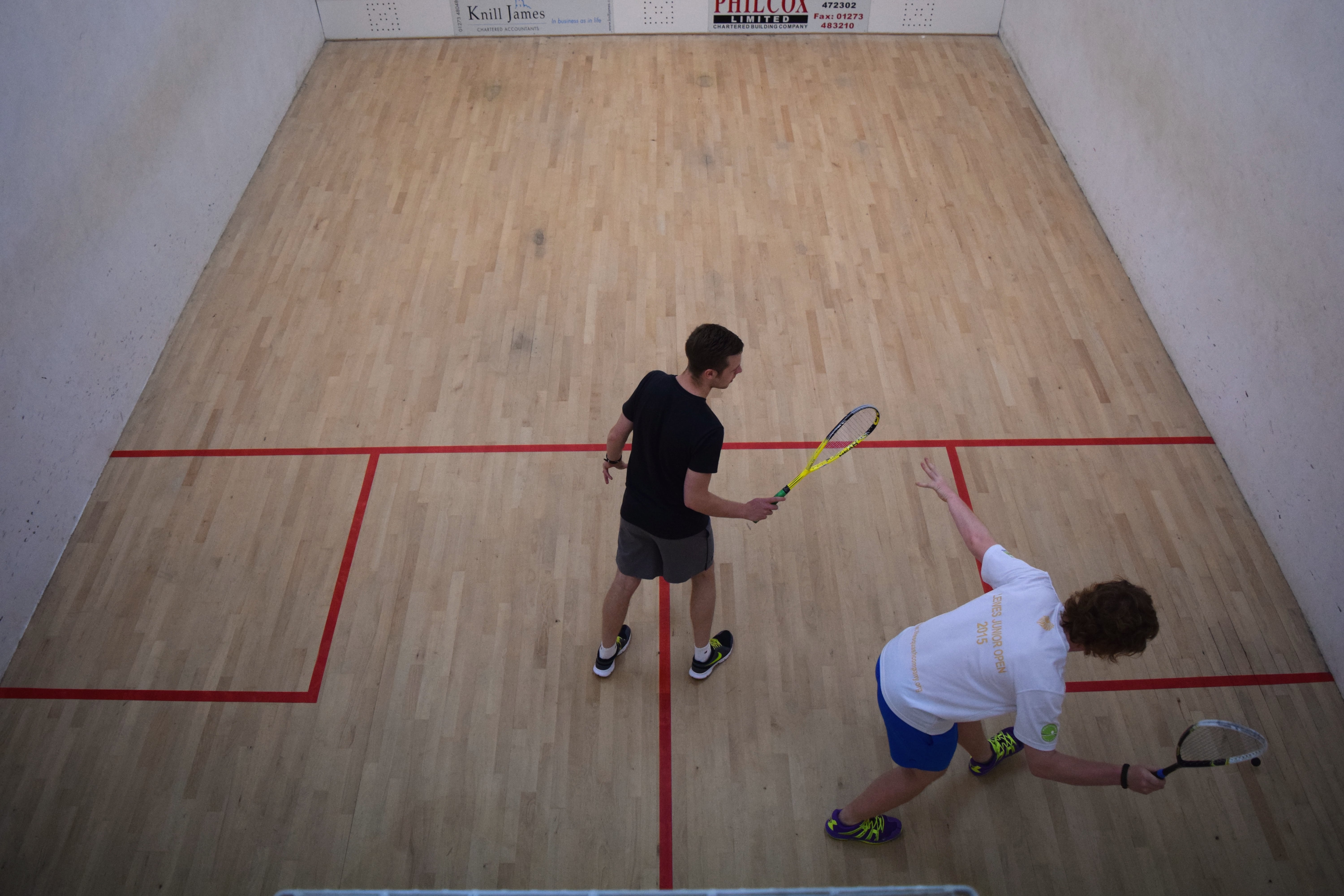
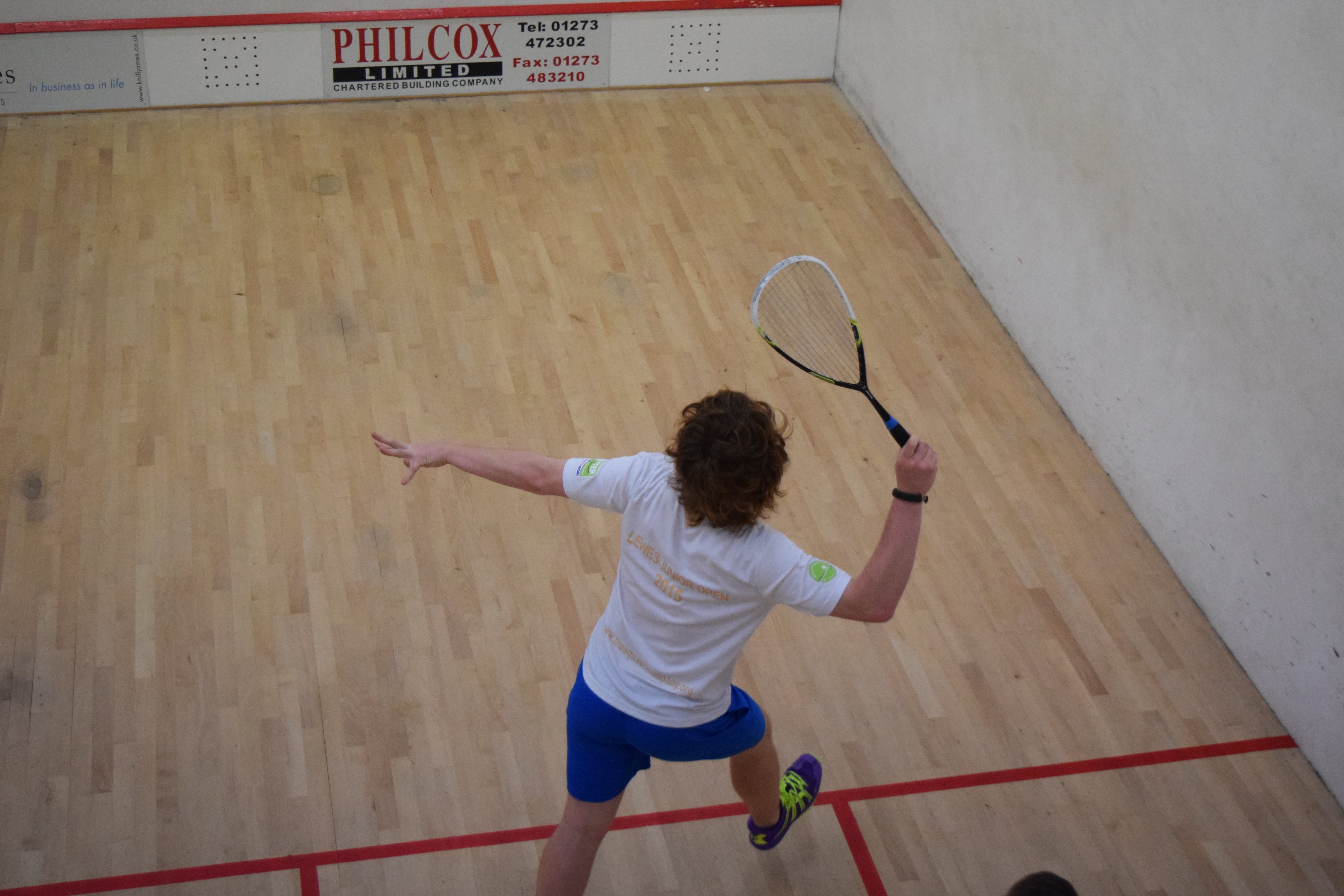
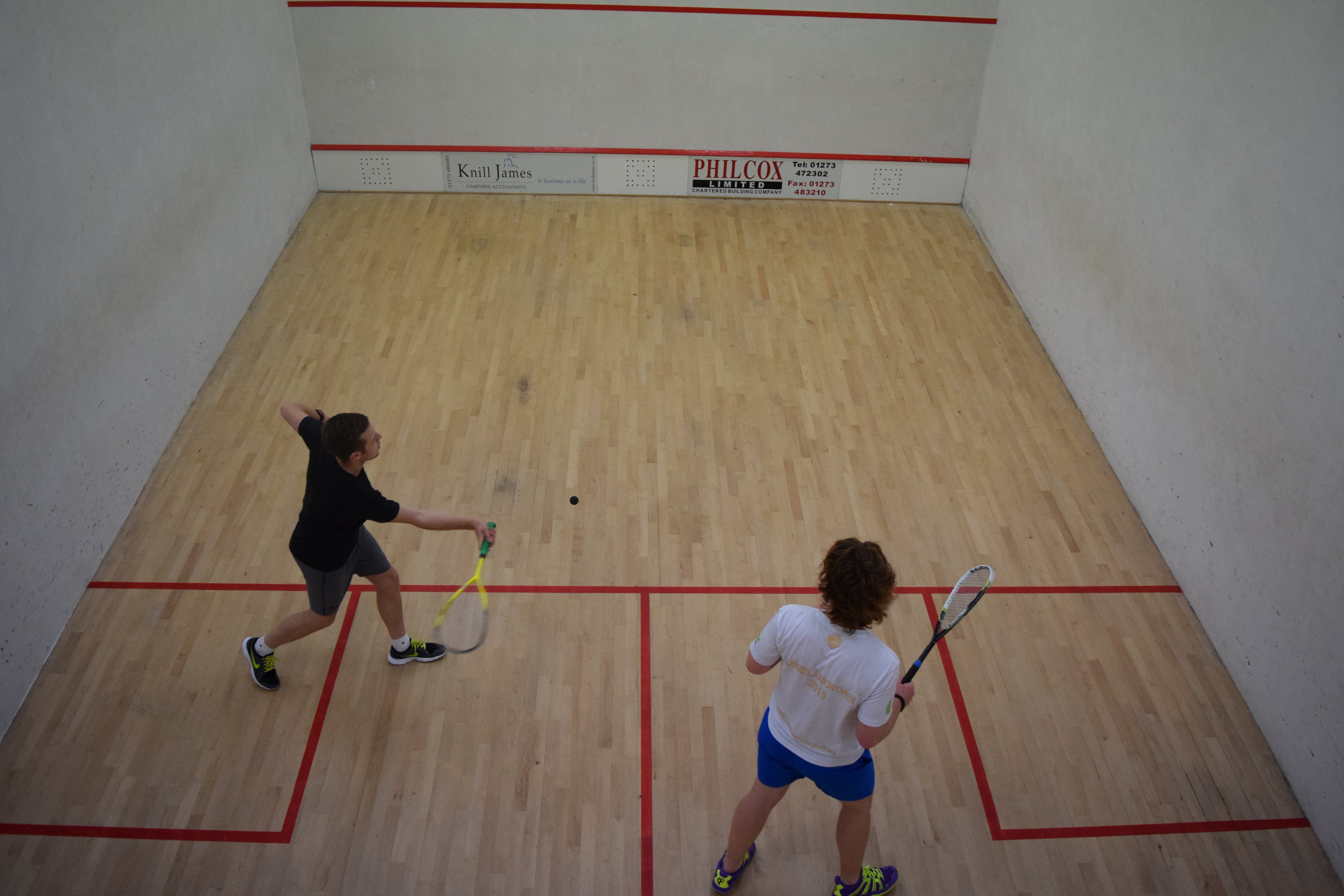
There can be a number of reasons why Cross-Courts from the back don’t make the grade. Some people get too ‘front-on’, which is to say their body faces the front wall as they hit the ball. If you do this, you typically lose engagement in the hips and torso which means you don’t get the same swing, which can cause the shot to come up short.
Do your best to remain more ‘side-on’, having your body facing the side wall, although you may need to play about with this and find a middle ground between being side-on and front-on.

Another thing to be aware of when playing this shot is the follow-through. A lot of players finish their follow-through very quickly, which means they lose a bit of their accuracy and ball control. Your hand should go through the ball when you’re playing this shot by quite some distance, so just check you are allowing it to do so and also letting it do so in the right direction!
DSC_0177-min

It can also be an idea to snap your elbow and lower arm more, especially if the ball is in the back corner or getting behind you, as this can give the ball a little bit more impetus for making it to the other back corner of the court.

Added Deception

An added benefit of remaining more side-on is that you take up roughly the same position that you would if you were going to play straight, which means the shot can have some natural disguise, which could help to make it an even more devastating attacking threat.

Make sure you don’t play any rash Cross-Courts from the back but wait for the right opening and then make sure you achieve that depth and width with the quality of your technique!
Filed Under: Drives, Technical, Tips

Cross-Courting as a Return of Serve


When to do it and when not to do it.

The Return of Serve is such an important shot, as in combination with the Serve, it sets the tone for the rally and decides who will take control of the T-Position and control the early stages of the rally.

Timing it right

If you time a Cross-Court Volley badly (or of course hit it badly), you can end up putting the ball right onto your opponent’s racket, giving them a great opportunity to attack you and apply pressure.

VOLLEY-5-min

If you are going to Cross-Court Volley a Serve, or hit a Cross-Court Volley at any time, try to take it as early as you can. This not only takes more time away from your opponent but it also means they are less likely to be established on the T-Position after their previous shot. If you can hit it early enough, you will hopefully catch them with their body weight going towards the T-Position as they move forwards, which would make it very hard for them to change direction and return a well hit Cross-Court.

Alternatively, you can look to Cross-Court on the Volley a little bit later as a player’s serve comes off the side wall. The idea here is to catch them when they are starting to drift in towards your side of the court anticipating a Straight shot. With their weight heading away from the T-Position, a sudden change of direction can be lethal and leave them scurrying to stay in the rally.

In conclusion, if you want to Cross-Court Volley more effectively as a Return of Serve, either hit it very early or a lot later.


Filed Under: Return of Serve, Tips, Volley

Facing the front wall when you move


How should you position your body as you move? 

Whenever you move in squash, you should strive to keep your body facing the front wall where possible, particularly in the back corners. In doing this, you keep your options open as from this position you can easily change direction if you need to, as sometimes you will over anticipate or simply guess your opponent’s shot wrong. If you start to turn too much to face a particular part of the court, you begin to commit and this can be spotted and acted upon by a clever opponent. It can also leave you struggling to return a shot played in an unexpected direction, as that split-second it takes to stop and change direction is often too long.

Moving backwards

It is very tempting and easy to turn and run towards the back corners when moving in squash but if you do this, you will find yourself getting closer and closer to the side wall and worse – chasing the ball. Once the ball gets behind you, you need to do your best to stay composed and try to get around the ball again or use your ‘wrong’ leg as a way of shifting weight behind the ball again. If you turn and run, you will find yourself having to stretch and try and flick a weak shot back from a very awkward position.

DSC_0270-min

Do your best to stay as close as you can to the middle of the court and move backwards first, before turning in to face the side wall only as you begin to stretch in to play your shot.

The idea is never to over commit to anything when it comes to movement. Always be ready and in position to change direction at any moment.

This is something that’s quite small and easy to incorporate into your game which could save you lots of points and mileage! Take a look at your game and see where your body faces as you move into the shot.


Filed Under: Movement, Physical, Positional, Tips

Watching the ball properly on the Return of Serve 


That shot could be even better if you watched the ball…

It still amazes me how many players don’t watch the ball. I’m now occasionally prone to losing the ball from time to time when I’ve been coaching for hours as my mind starts to wander, but there’s no excuse for not watching when playing – especially when waiting to receive your opponent’s serve.

Returning Serve 

A lot of people don’t watch the ball when their opponent is serving, which still strikes me as amazing. Firstly, I’m amazed that they don’t think to watch the ball and I’m often amazed that they are often able to return it – often on the volley. Think how good they could be at volleying if they only watched the ball! They’d be able to take it so much earlier and take even more time away from their opponent, which would make their volley twice as dangerous.

Not watching the serve might not lose you the rally immediately but it will leave you in a weaker position that you could’ve been in. If you’re doing well anyway, just imagine how much better it could still be simply by watching the ball.

serve-3-min
When you watch the wall, you miss the first half of the ball’s travel and therefore miss out on valuable cues and information about the serve’s direction. This can affect your movement and positioning in particular, as if you watch the ball your feet will start readying you to hit the ball. If you don’t watch it, your feet will typically either not move or drift over in auto-pilot and leave you too close to the ball. Both of these will reduce the quality of your shot and this could prevent you from getting into the rally properly, as your opponent may be able to attack this weaker return and put you under pressure. The way you watch the ball is important too, as depending on your eyes you may need to turn your head so that you get both eyeballs on the ball.

This is not something limited to beginners either. I’ve seen lots of players do it at Division 1 and even Premier Level County Leagues before. Check you are watching the ball as your opponent serves it. All the way from their hand to the racket to the wall. Every step of the way. If you see your friend doing it, tell them to watch the serve too – but only after you’ve taken full advantage of it and beaten them.


Filed Under: Return of Serve, Serves, Tips

Squash is good for your tennis.


And tennis is good for your squash. 

I’m always interested in the way people learn sport. Coaching is a pursuit for the perfect formula which you could use to make anyone a master player. It’s all well and good knowing what somebody needs to do, but actually getting them to do it and do it well and then also do it well under pressure is a real challenge.

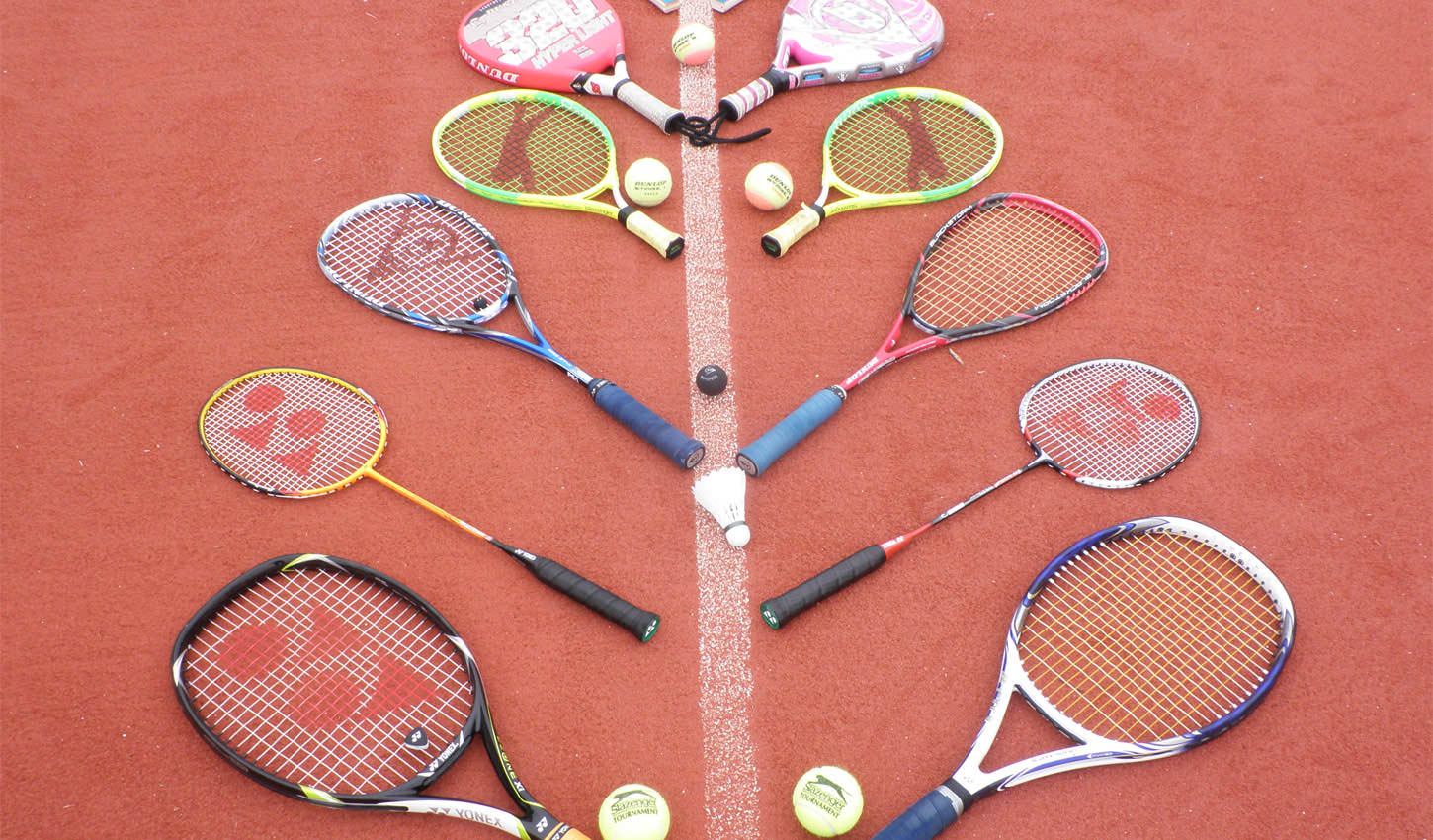
One thing I have noticed though is that the players who have played multiple racket sports (and multiple other sports) are always far faster learners, more creative and capable of a far wider range of skills. This may seem obvious but sometimes there’s a lot said about playing one sport being bad for another.

Navarino-Racquet-Academy-1-1

At the end of the last junior season, our top six junior players were all players who had played at least two of Squash, Tennis, Badminton and Table Tennis on a regular basis for sustained periods of their life. One is even involved in the County set-up for Squash, Badminton and Tennis. The next group of players below them stood out because they didn’t play more than one racket sport, or squash was their only sport entirely.

I don’t buy into natural talent at all. All of these players had just played so many different sports and several different racket sports throughout their life and it has given them so many advantages.

The Badminton players have such a knack for volleying and drop shots. The Tennis players are very good at creating space for themselves and had a particularly vicious ability with the ball overhead – they weren’t at all concerned by lob shots. They also tend to be capable of a wider variety of spins.
Encouraging people to play multiple sports

The bottom line is we should be encouraging people – particularly children – to participate in multiple racket sports. It’s of course also better socially and for life experience to have a go at a wide range of activities.

It’s not just about fun though, it’s performance too. The more able players have played a huge array of sports growing up and it has given them an edge over those who are just used to squash. They’re often lambasted for playing a ‘tennis shot’ or ‘badminton shot’ or for not playing ‘proper squash’, but that’s only by people who can’t find a way to deal with the challenge they are facing. This extra edge is what separates them from the rest of the pack.

At a level approaching professional, it probably won’t be good practice. Not least because physically and time wise it would be demanding. Up until that point though, there is no doubt for me that all young children, including those who aspire to be professional, should play multiple sports when possible and definitely try to do different racket sports.


Filed Under: Tips

  • « Previous Page
  • 1
  • …
  • 9
  • 10
  • 11
  • 12
  • 13
  • …
  • 20
  • Next Page »


Terms | Privacy policy | Contact | About us
Web Development By S G Barker.