Squash Company

Squash coaching with passion

  • Squash School
  • Blog
  • Videos
  • Shop

Staying as close as possible to the T-line


If you never leave the T-Position how will your opponent get you off it?

When playing squash, if you’re not careful it’s very easy to get dragged around and made to run all over the court like a headless chicken. Once you start sprinting around, it’s very hard to stop as you’ll typically be rushing your shots or playing weaker shots as a result of all the running you’re doing, which only makes things worse and leads to more running if not the end of the rally.

Minimising the amount of time you’re off the T

The idea is to reduce the time you spend away from the T-Position as much as possible. The more time you spend on the T-Position with and without the ball, the better your chance of winning.

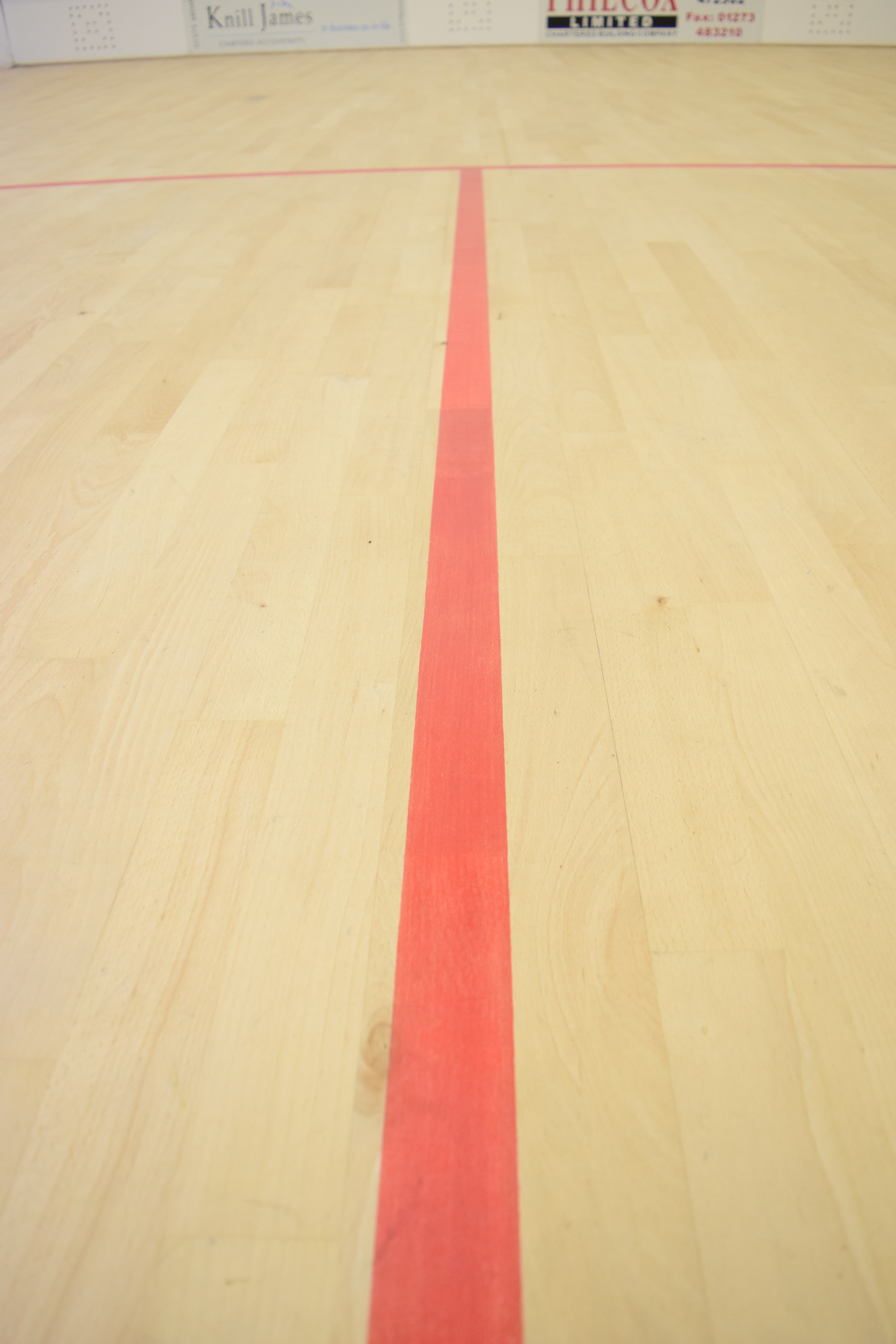
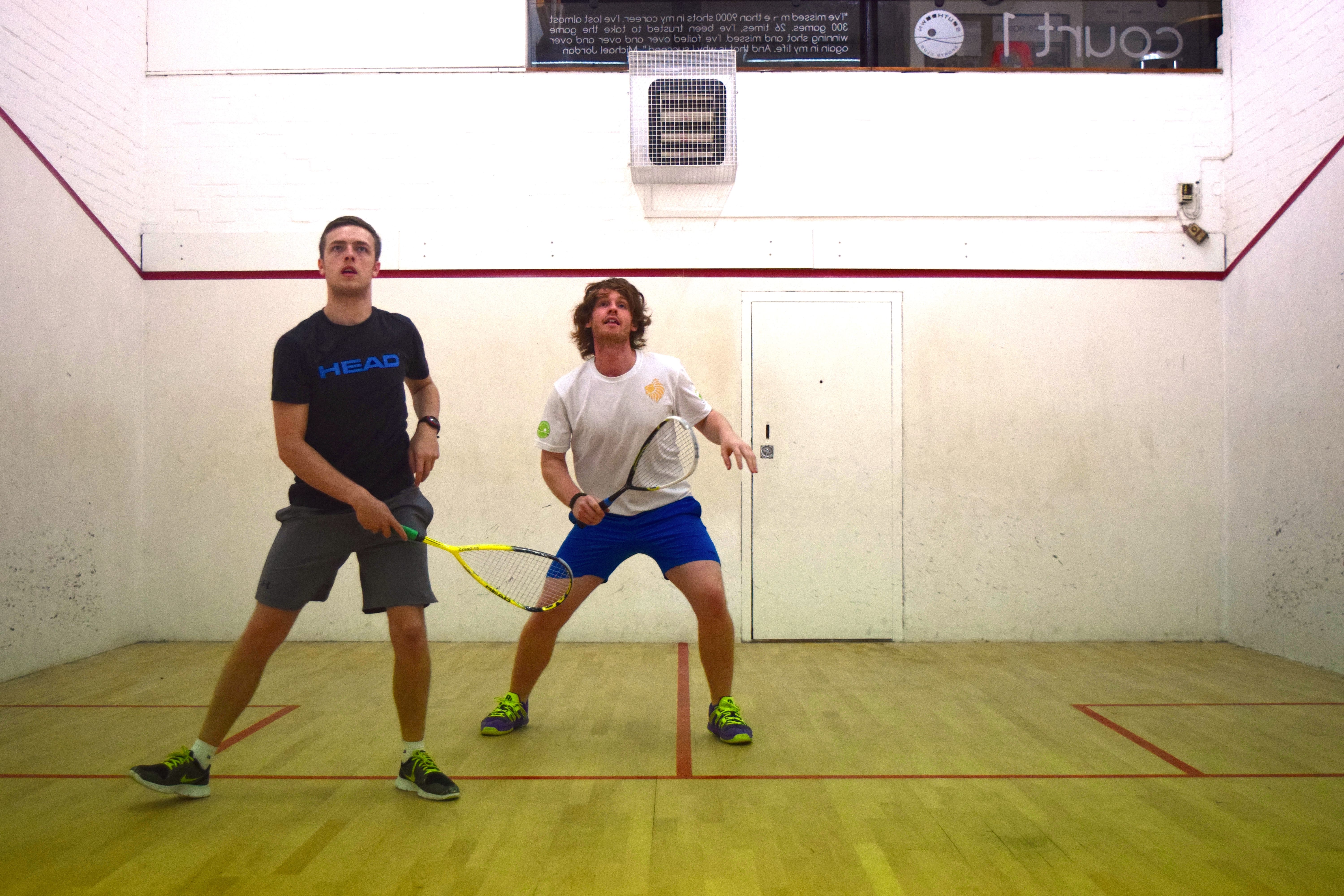
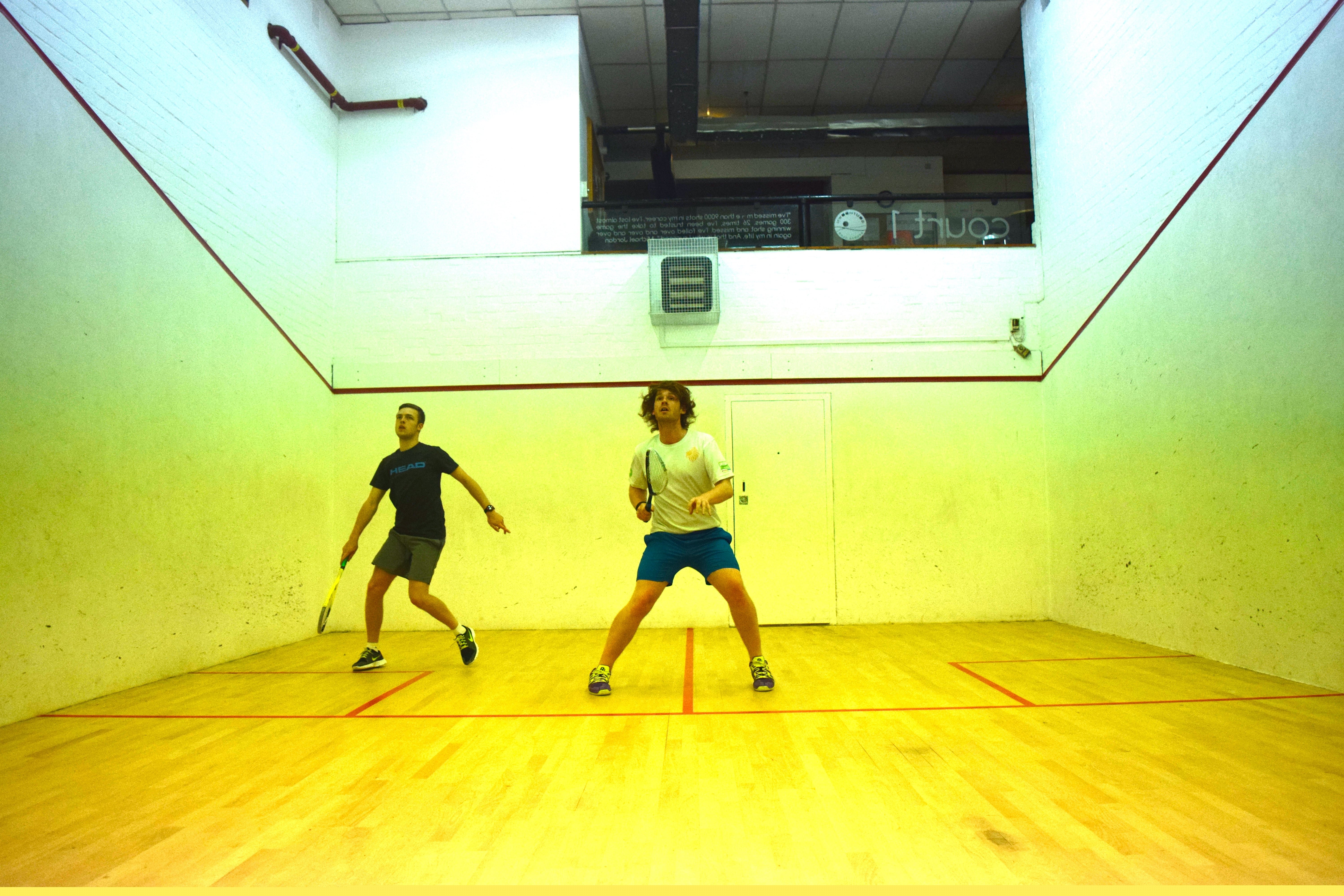
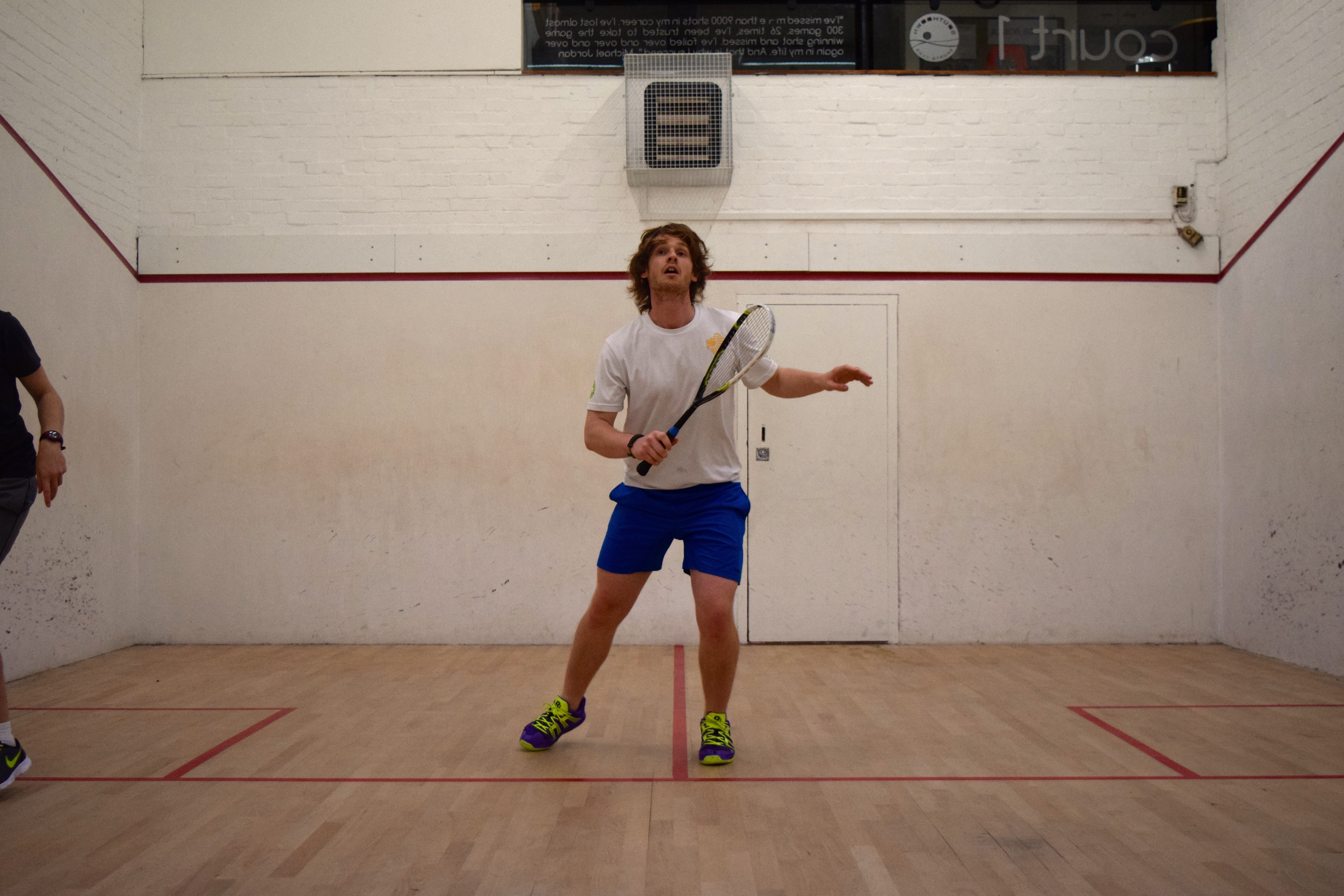
Consequently, whenever you’re moving around the court or playing a shot, you should seek to stay as close as you can to the T-Line. When I say the ’T-Line’, what I mean is the vertical line that starts with the T-Position and carries onto the back of the court. The T-Line also includes an imaginary line that would go from the T-Position all the way to the front wall if the previously mentioned vertical line carried on going. If you stay near the line, it will always be a shorter journey back to the T-Position.
DSC_0016-min

There are numerous benefits to being able to play your shots from the ’T-Line’ or as close to it as possible. Of course you will have to leave the line and at times you will have to abandon it completely but if you strive to stay as close to it as possible at all times, you’ll find your game will improve positionally, tactically, physically and technically.

If you hold the T-Line or stay close to it, you will be very difficult to dislodge from the T-Position as you will spend more and more time there, as you will either be on it or very close by and so able to recover to the middle quickly. This will leave fewer gaps for your opponent to hit the ball into. This is really important, as the less time to you are away from the T-Position, the harder it will be take make you run. You need to minimise the time you spend away from the T-area to be successful.

The psychological T

The mental aspect of being in the vicinity of the ’T-Line’ should not be underestimated either. Seeing your opponent hold the central areas of the court no matter what you throw at them is incredibly disconcerting and can lead players to getting frustrated, which in turn leads to errors and poor judgement. Secondly, you will also save energy over the course of the game as you will be moving that bit less with every shot, which could make a big difference in the later stages of the game.

Thirdly, from a technical point of view, you will also always have sufficient space to play your shots and swing properly and won’t get caught out getting to close and therefore hindering the quality of your shot.
DSC_0460

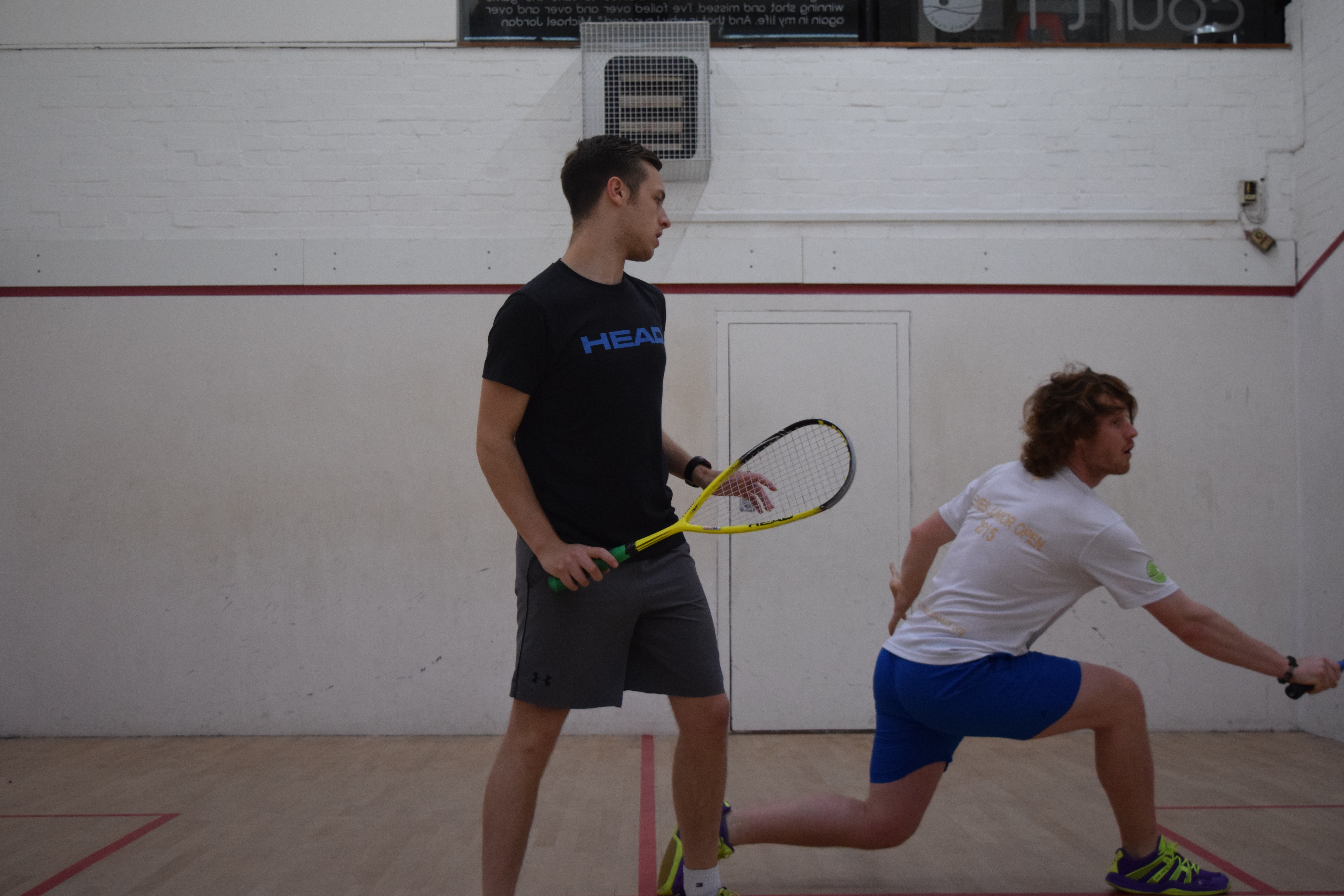
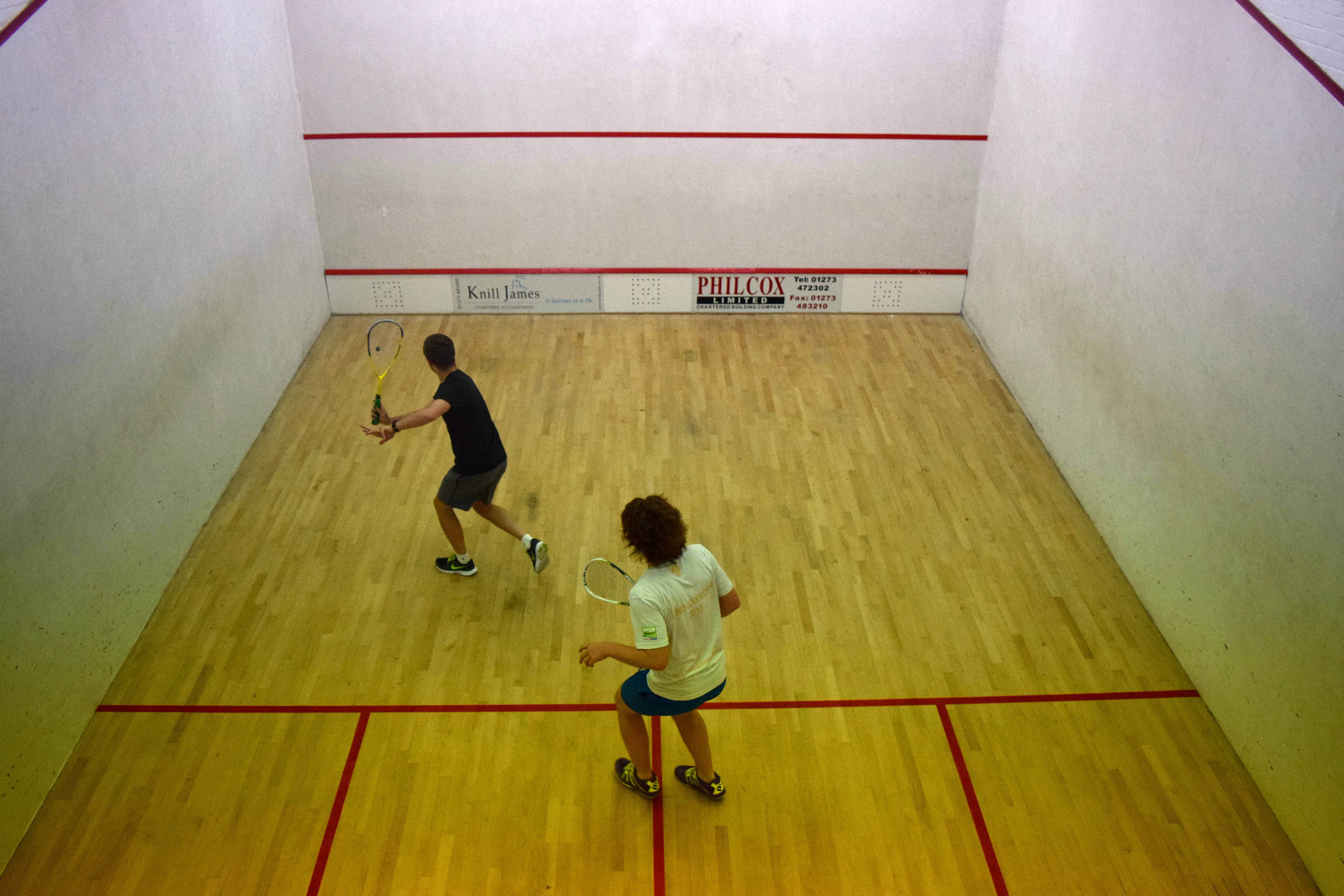
Keep an eye on how much you leave the ’T-Line’ when playing your shots and ask yourself if you could be closer to the centre. The most common time people leave the ’T-Line’ more than necessary is whilst exchanging length shots with their opponent. The best mover of all time in my opinion was Jansher Khan. Just watch the way he moves and how economic he is. 

See if you can’t trim a few steps off your shots and reap all of the aforementioned benefits and more.
Filed Under: Movement, Physical, Positional, Tips

The Blind Spot   


Laying traps for your opponent.

There’s a short window in squash when all players lose track of their opponents, no matter how clever or aware they are. It’s that moment when you go to strike the ball and begin swinging. At that point the ball becomes your entire focus and you tend to stop worrying about your opponent and become ‘blind’ to them. If you’re particularly composed you might be able to listen for your opponent’s footsteps but in truth you’re basing your awareness of their positioning on their last known movements.

Window of opportunity

During this small window of time when an opponent is playing a shot, there is an opportunity for cunning players to lay a trap for their opponent by taking advantage of this ‘blind spot’ where the player striking the ball has no real idea of their whereabouts.
This can be particularly easy to do when returning serve, as there is a bit more time to compose yourself to lay the trap than in other situations where there might be lots more running and pressure. You might stand really high up as you wait for the return as if you’re overly eager to play a volley. If your opponent is astute, they will notice this and should then look to catch you out with deeper lob serve. While they’re executing this lob serve, you could then shuffle back into a more normal position perfectly ready to deal with their lob serve, which of course you were hoping for all along.

One opponent of mine caught me out with a body serve down the middle on my forehand and after that I started to purposely drift to the right to offer him a great opening for a body serve to see if I could get him to do it again. As he went to swing, I quickly shuffled back so that I was perfectly ready to deal with what was now a weak serve and put the ball away for an easy win.

DSC_0238

By offering such an obvious gap or opening for the ball to go into, you are in effect coercing your opponent and influencing them to play a particular shot which you can then prepare for. Perhaps you can influence them to play a shot to an area which is a strength of yours.”

I saw a player once who would play a weak boast from the back and then move really high up the court, inviting the drive. He then used his speed and great volleying skill to drop back just as the opponent entered their blind spot and was about to start swinging and countered their drive shot with a long volley to the back, which often proved to be the winning shot. In this case, he was using his opponent’s blind spot to his advantage. The examples of positions you might take up and the shots you could invite are endless. You could lean to one side of the court to invite the cross-court and then pounce on the volley, you could sit deep to invite a short shot from the back and then move in for an easy drop during the blind spot and many more.

You do have to have a reasonable amount of agility in some of these examples but even if you aren’t the fastest, there’s no reason you can’t sway your opponent’s decision making with clever movement, particularly on the serve.

Have a go and see if you can control your opponent’s next shot by offering them what seems to be an easy shot option, only to then move into a strong position as they enter their blind spot and focus solely on their swing and hitting the ball.


Filed Under: Mental, Tactical, Tips

The Ready position – Part 3: The Racket Ready Position


Prepared to hit any ball and play it anywhere at any moment.

Welcome to the final edition of The Squash Company’s three-part special blog post on ‘The Ready Position’. ‘The Ready Position’ involves not only your feet and your body but also of course your racket. It is the position you should adopt between every one of your shots to give yourself the best possible chance of retrieving your opponent’s shot. In today’s post, we will be looking at the very important role of the racket in ‘The Ready Position’ and how you should hold your racket whilst awaiting your opponent’s shot.

Are you Racket Ready? The ‘Neutral Position’ for your racket

Squash is littered with missed opportunities. There are countless openings and chances to apply pressure and perhaps even win the rally wasted all the time because people simply aren’t ready to play their opponent’s shot.

Between your shots, your should get your racket up to around chest height at a backhand angle.

DSC_0475-min
From this position, it is easy to manoeuvre your racket into a forehand or backhand position and your racket is already at a decent height making a reaction shot very feasible. These reaction shots are perhaps where players are commonly caught out the most, with opponents playing weak or loose cross-courts from the front which players aren’t able to intercept cleanly or at all due to their lack of preparation. If these players simply had their racket in the ready position, they would be able to attack the weak cross-court and quite probably win the rally.

The racket is also not far away from being around shoulder height if you need to carry out a full swing, meaning you can save yourself valuable seconds whatever shot you’re going to play, simply by getting your racket up to chest height.

It is a small thing but a very useful habit which can be done almost at all times. Anything that can save you a few seconds is worth doing, especially when you can use those seconds to take time away from your opponent by taking the ball early because you are ready to play the ball that bit quicker.


Filed Under: Mental, Pre-match, Tips

The Ready position – Part 2: The body


Prepared to turn anywhere and change direction at any moment.

Welcome to part two of The Squash Company’s three-part special blog post on ‘The Ready Position’. ‘The Ready Position’ encompasses your racket, body and feet and is the position you should adopt between every one of your shots to give yourself the best possible chance of retrieving your opponent’s shot. Last time we looked at the role of the feet. In today’s post, we will be looking at the role of the body in ‘The Ready Position’ and how you should position yourself between shots.

Your body positioning between shots is something that is largely left alone but it is something that can provide a small advantage if done well and conversely it can leave you at a disadvantage if done badly.

The ‘Neutral Position’

People know you should recover the T-Position or T-Zone between shots, as it is the central area of the court and from here you can also control the game. It’s important to occupy the T-Position in the right way though.

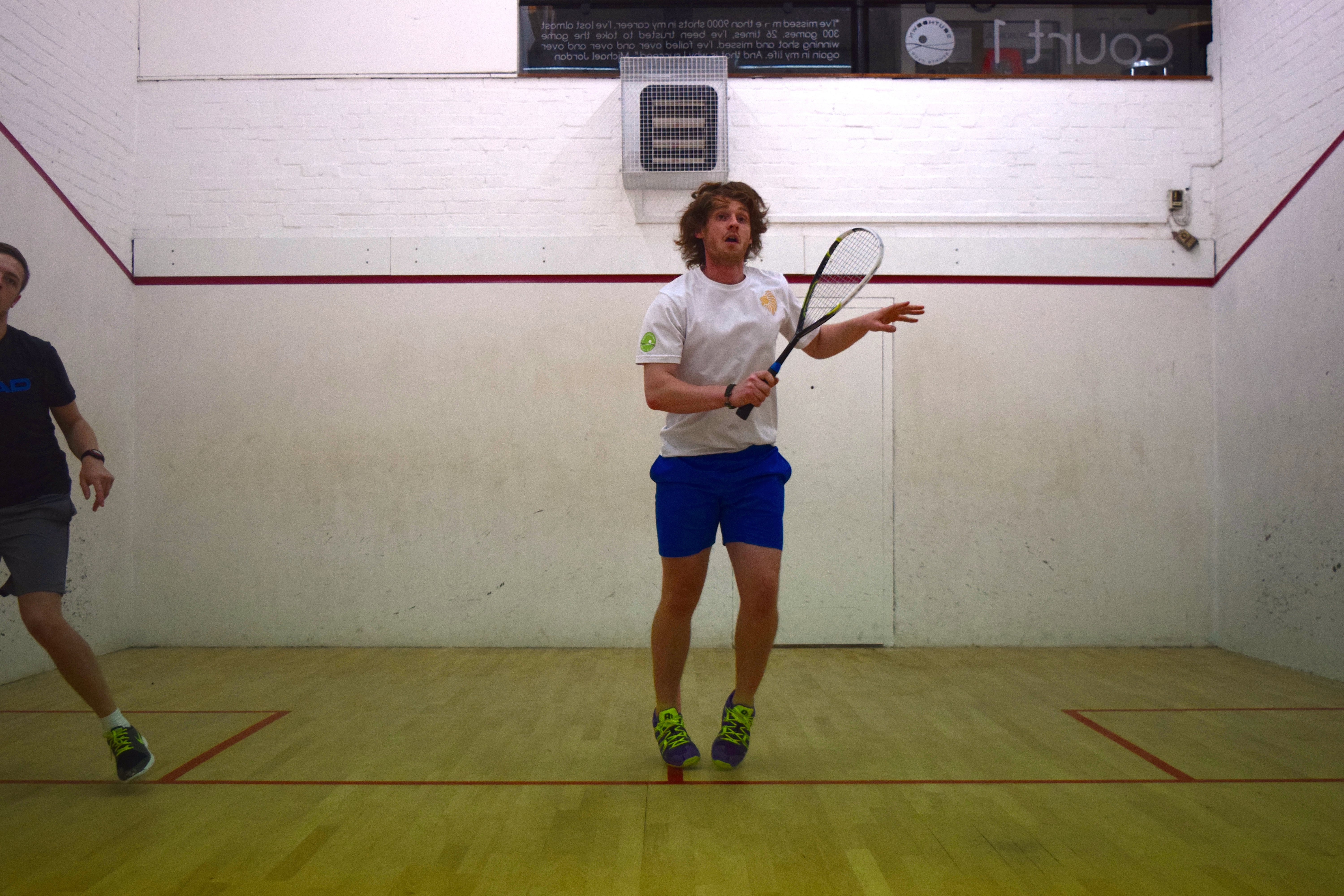
Whilst on the T-Position, you should ensure that your body is facing the front wall in a neutral position. Obviously, you don’t want to lose track of the ball though, so you must turn your head so you can watch what’s going on behind you over your shoulder.
If your body is facing the front wall, it is very easy for you to go in any direction at any time as you aren’t overcommitted. Lots of people will turn and face the back corner and their opponent or pre-empting a straight drive, will drift away from the T-Position and get caught facing the side wall. When this happens, they are very susceptible to getting caught out by a well placed boast or cross-court shot. No matter how good your anticipation (or your shot), you need to be ready for anything and by keeping your body facing the front, you are keeping open the option to move anywhere.

DSC_0391-min
It is no good taking the T-Position so that you can cover all areas of the court if you actually physically can’t cover the all areas because of your body positioning! Just make sure that you do turn your head and watch over your shoulder – you need at least one whole eyeball on the ball at all times!

Keep an eye out for part three of this series of blog posts in which we will look at what you should do with your racket between shots.


Filed Under: Mental, Physical, Pre-match, Tips

The Ready Position – Part 1: The Feet


Prepared to go anywhere and do anything at any moment.

Welcome to The Squash Company’s three-part special blog post on ‘The Ready Position’. ‘The Ready Position’ encompasses your racket, body and feet and is the position you should adopt between every one of your shots to give yourself the best possible chance of retrieving your opponent’s shot. In this first post, we will be looking at the role of the feet in ‘The Ready Position’. You can check out Part 2 on the body here, and Part 3 on the racket here.

In squash, footwork can be one of the hardest things to master. We’re going to look at a phase of movement and footwork that lots of people don’t even know exists, while others do it without ever realising. It takes place just before you start to move off to your next shot and is part of the ‘Pre-Flight  Stage.’

The ‘Pre-Flight Stage’

Between your shots, most players know you should aim to get back to the T-Position or T-Zone, as it is the central area of the court and a place from which you can move anywhere and also control the game. Once back on the T-Position though, there’s an important step (literally a step!) before you begin moving to the next shot and this step is very difficult to do well.

This step is the ‘Pre-Flight’ stage and to some it comes naturally, while others have never even considered it or paid it any mind.

It’s that split-second on the T-Position between the movement back from playing your shot and the movement into your next shot. That gap can be virtually non-existent or it can stretch to a couple seconds if the rally is slow paced or your opponent is delaying playing their shot to try and catch you out. What you do with this time is important to the outcome of the rally. Get it wrong and you may well find yourself chasing the ball or at worst, out of the rally in one shot.

DSC_0480

The ‘Split-Step’

You should aim to time your arrival back at the T-Position so that you are landing on the T as your opponent is about to start their swing. On your toes with your feet comfortably apart, you should then look to ‘split’. The split-step or split is simply splitting your legs apart by dropping into your legs, so that they are wider apart. As you land from this split, you look to push off in the direction of your opponent’s shot.

The reason players use the split-step is so that they can move in any direction once they land on the T-Position. If you arrive at the T-Position flat on your feet or try to push off from a standing start, you will find it very difficult to push off or change direction at speed. Whereas, if you arrive on your toes and then split-step, you can move in any direction at that moment. As you split, any movement in any direction has to be possible.

DSC_0481-min

Prolonged ready position

Sometimes, you’ll spend a longer time than normal on the T-Position despite your best efforts to time your movement to your shot. If this is the case, try your best to keep calm on your toes with your heels firmly off the floor and your feet poised gently apart. Avoid moving too soon or letting your feet go flat, as both of these will make it easier for your opponent to make you run or win the point.

Look out for part two of this series in which we will look at how you should position your body between shots, and Part 3 on what to do with your racket. 


Filed Under: Mental, Movement, Physical, Positional, Pre-match, Tips

  • « Previous Page
  • 1
  • …
  • 13
  • 14
  • 15
  • 16
  • 17
  • …
  • 20
  • Next Page »


Terms | Privacy policy | Contact | About us
Web Development By S G Barker.