Squash Company

Squash coaching with passion

  • Squash School
  • Blog
  • Videos
  • Shop

Where should your serve hit the side wall?


Doing more than just starting the rally. 

I probably don’t need to use any more of our server’s memory talking about how important the serve is in squash and how undervalued it is by most squash players. I do though have a quick suggestion for how you can make the average serve more difficult to volley and return in general.

For more detailed information on how to play a serve, check out our page on the different types of serves and how to play them here.

Hitting the side wall

Most people who play squash enough understand you want your serve to hit the side wall – unless of course you are deliberately playing an awkward body serve. A returner may find a serve that hits the side wall difficult to return because there is little room between the ball and the wall, or because the ball has come off the wall at a funny speed or angle.
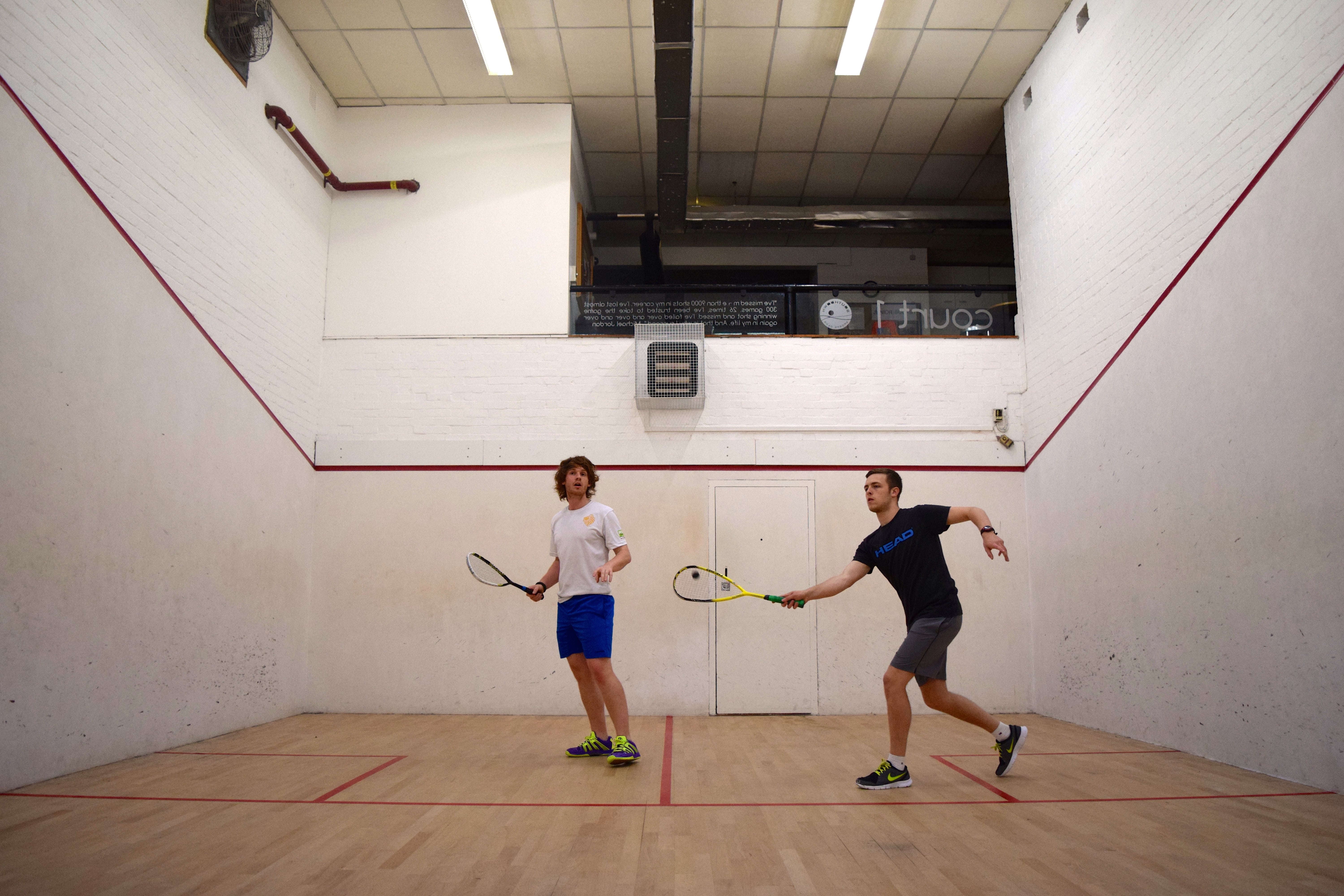
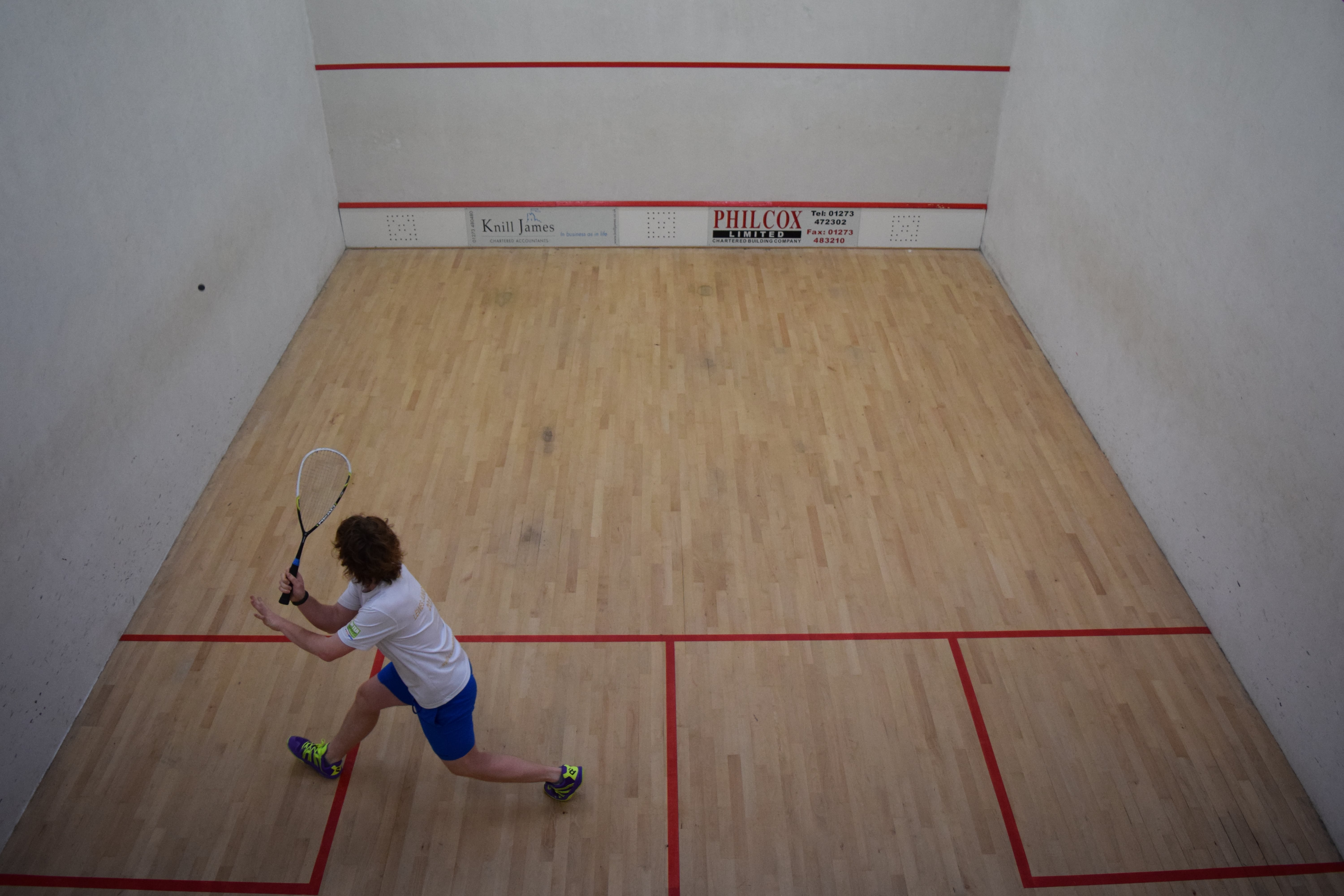
However, even when your serve hits the side wall, a competent player can still attack it on the volley. What separates a really effective serve from a passable serve is where it hits the side wall. The majority of serves hit the side wall in the service box, which means that it bounces off the side wall towards the middle and into space, providing a very comfortable volley opportunity for the returner. If however, the ball strikes the sidewall behind the service box, the volley is much harder to execute as the ball is getting towards the back wall very quickly and the returner will generally be forced backwards, which in itself is a tricky situation to find yourself in.

Check your serves and see at what point the ball is hitting the side wall. If it is in the service box area, your serve will rebound into more comfortable surroundings. If the connection with the side wall is taking place deeper in the back corner behind the service box, then your opponent will have less space and less time to play their shot, which will typically force a weaker return and give you an early advantage.
Filed Under: Tips

Cross-courting with discipline 


Changing direction at the optimum moment. 

One thing that drives coaches, team mates and spectators batty everywhere is players (usually juniors) hitting the ball cross-court too much. Quite often for squash players, hitting the ball cross-court is the path of least resistance. You don’t need to move your feet as much to play cross-court, which means it is quicker to play the shot and therefore you don’t need as much time.

Players rarely come off better as a result of this trade-off between reduced effort and having to play a cross-court shot. The player may use less energy and save themselves some time but they also typically gift their opponent an opportunity to attack when the cross-court doesn’t reach the required area of the court.

Showing the straight drive

The cross-court length can be one of squash’s great attacking shots when used effectively. The optimum time to use it is when an opponent is anticipating a straight shot, particularly from the back, and so starts to edge towards the back corner to get ready for a straight length shot. At this point, the cross-court length is incredibly damaging, as the player has already begun to move in the opposite direction. The best way to get players to start moving towards the straight length shot is to use the cross-court length sparingly, so that they feel the straight shot will be your most likely shot choice. This naturally then makes your cross-court all the more effective when you do use it.

Cross-courting from a position of strength 

Personally, I think the key to getting the cross-court length right is to play it when you are in a position of strength. Most of the time people flap and play a cross-court shot if they are unsure or under a bit of pressure, because as we mentioned earlier, it is always an easy shot to hit. Logically, this is a disaster as the shot is likely to be inaccurate if played while under pressure, which means it is likely to be looser and in the middle of the court and in an area where the opponent can intercept it comfortably.

Be the one who changes the direction of play with the cross-court, but only on your terms. Only change it when you are in a strong position and preferably when your opponent is vulnerable, as in the previous paragraph where they may be anticipating a straight ball and are already on the move.

Turning your opponent

When playing your cross-court you need to aim to turn your opponent towards the back corners. If your cross-court doesn’t get behind them, then it’s likely to give them an opportunity to volley or put you under pressure. So ensure when you do play cross-court that you get the depth to really turn your opponent towards the back of the court to limit their options significantly.

Never cross-court unnecessarily. Cross-courts are great attacking shots when your opponent leaves a gap but they should be used at the right time and at the right moment; always from a position of strength.


Filed Under: Disguise, Drives, Tactical, Technical, Tips

‘Win’ the warm-up in squash


The match starts before the first serve has been hit.

We’ve done some blogs and posts on the warm-up before but I think it’s very important to reiterate and expand on some of these points.

You can check out some of our previous musings on the warm-up from our series of posts on the warm-up here.

Seal an early mental blow

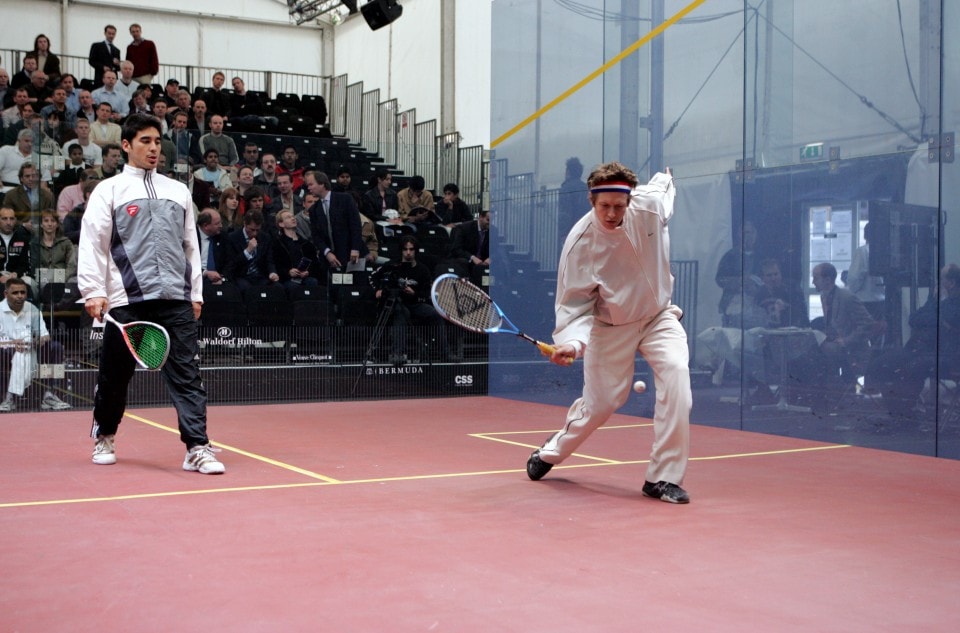
If you warm or knock-up like a pro, it sends out an early message to your opponent. It may even be enough to intimidate and worry them for a while, which could earn you an advantage in the early rallies and even help you win a few points. It can certainly make them doubt themselves and their own ability if they let it.

knock-up-05ss0054-960x633-min

Warm up how you want to play

More importantly though, it helps you to control the things you can control, namely yourself. If you warm up by whacking the ball aimlessly, or equally bad, by playing one cross-court shot to your opponent, you’re not going to start the game in peak condition. Never let the ball bounce twice in a warm-up – always do your best to keep the ball alive, especially if that means dashing to retrieve the ball. You should treat the warm-up like it is a match, even if only against yourself to get your mind, body and racket acting as they would in a match.

Don’t be coerced into what your opponent is doing either. Feel free to hit the ball to yourself two or three times before cross-courting to your opponent – just make sure you don’t take too long.

You should also, as we discuss more in ‘Knocking up with purpose’, tailor your warm-up and knock-up to your style. If you want to volley a lot or take the ball early, your knock-up should include lots of solo volleys and attempts to volley the shots your opponent plays to you. If you play lots of drops, then make sure you play plenty of drops. In general of course you want to play a good variety of shots, angles, paces and spins.

Next time you play a match, check who is winning the warm-up. If it is not you, you have work to do. And never let the ball bounce twice.


Filed Under: Tips

Timing is key


Especially on the backhand

Timing is very important in squash. Along with weight transfer, which timing is inter-linked to, the timing with which you play your shot is fundamental to the success of your shot. If your timing is good, it will allow you to transfer your weight through the ball effectively and grant you control and power. If you don’t master timing, you will find yourself struggling to achieve consistent accuracy and power in your shots.

Hitting the ball in front of you

In general, for most shots that you will play, it is important that you hit the ball when it is out in front of you. If you allow the ball to get behind you, possibly even just level with your belly button, you may find your swing and shot aren’t what you were expecting. Once the ball starts to get behind you, you will find your power and control are gradually diminished. You will be less able to get parts of your body behind the ball and you therefore transfer less weight to your shot when you swing.

To get the maximum out of the shot, you want the ball to be in front of you so that you can get all of your body weight through the ball, even if you are just hitting a drop shot, as this body weight also aids your stability.

volley good-min-2

Timing is key on the backhand 

On the backhand, timing is often an issue. On the forehand side, you have a bit more margin for error as the forehand swing is naturally later due to your rear arm being in motion, which gives you a bit more time to prepare. It’s also such a natural motion, so you can get away with it being a bit scruffy. The backhand mechanics need to be a bit more precise and they need to occur earlier given that it is the arm at the front and one of the outermost points of the body during a backhand swing. Do your best therefore to strike the ball when it is just in front of you on the backhand side. This may require a good deal of movement or footwork in order to get the ball in front of you but doing so will produce a far greater shot.

One symptom of hitting the ball late is the shot hitting the side wall first. If your backhands are hitting the side wall first, it is quite probable you are hitting the ball when it is level with your belly button or even slightly behind you. This can also be in part due to a lack of space as well, so check you have sufficient space (about an arm’s length in general) between you and the ball. If your shot is very flimsy and is something of a flick, then it is also highly likely the ball is behind your body when you are playing the shot.

Improvising when the ball gets behind you

If the ball has got behind you or you’re unable to get around it, do not panic. The best course of action is to try and lead with your back leg (left leg on the backhand side and right leg on the forehand side). By putting this leg out towards the ball, you are able to get some weight behind the ball again and achieve a reasonable degree of control and power.


Filed Under: Tips

Putting your non-racket arm out on the forehand side


Adding to your positioning, balance and recovery

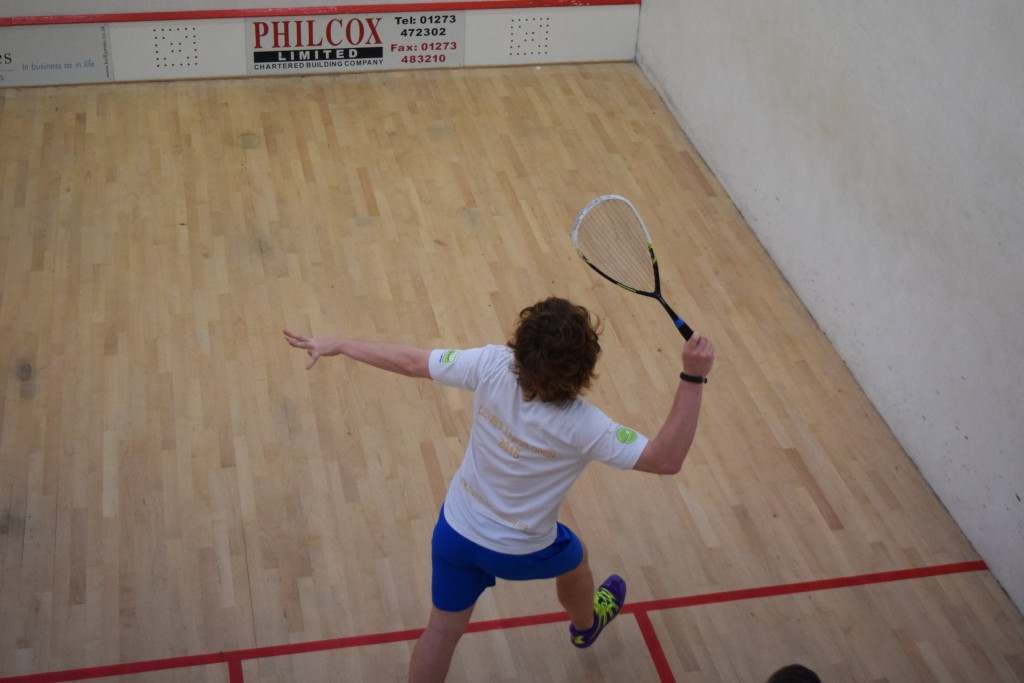
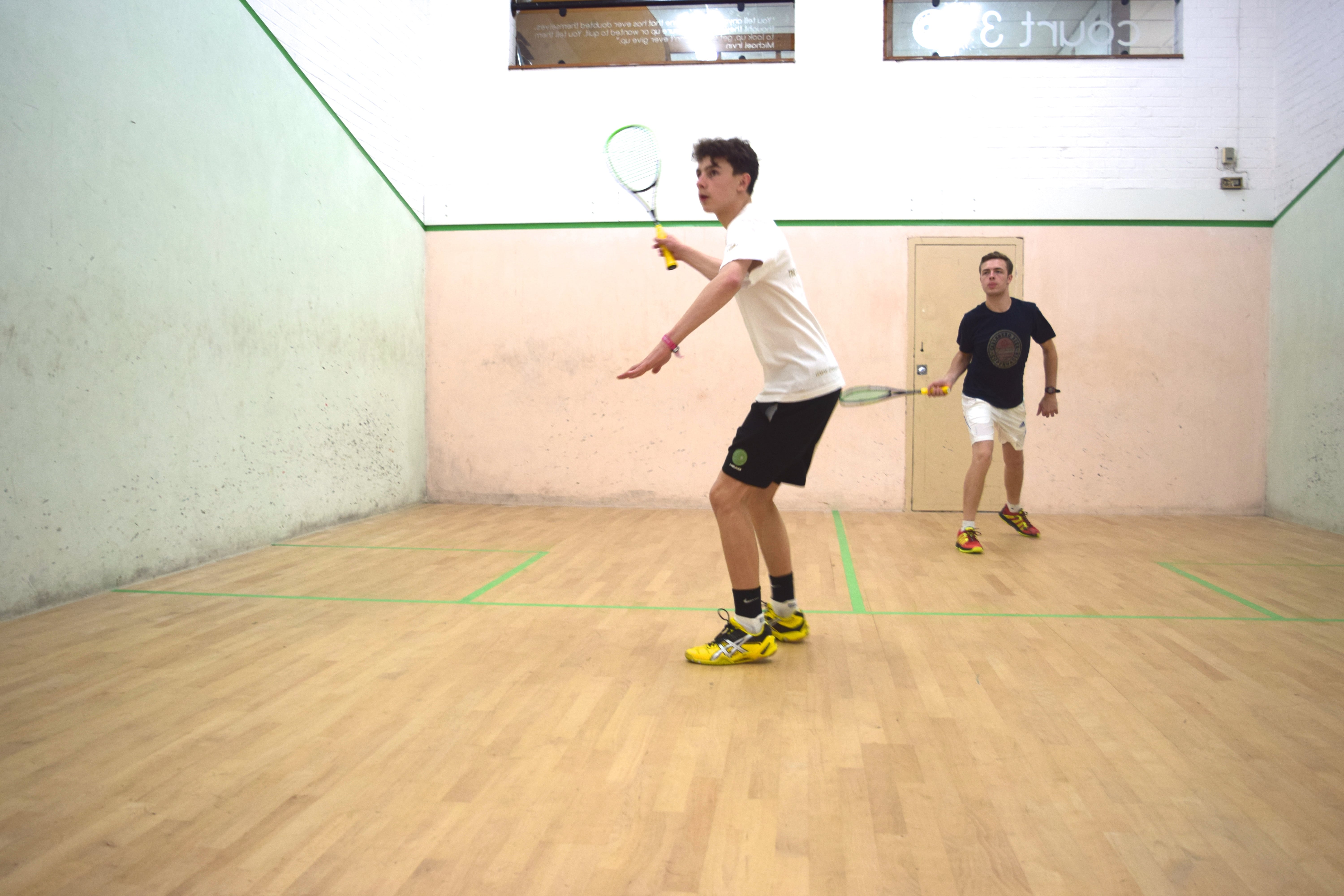
A good way tip for developing your forehand technique (and your backhand as well) in squash is to use your non-racket arm as part of your swing. The non-racket arm can do several useful jobs and help you with spacing, balance and recovery.

Spacing and positioning

By stretching out your non-playing arm, you can judge the amount of space you need in order to play the average shot. As the ball approaches, a lot of players put out their arm towards the ball to aid them in working out where they need to position themselves. Needless to say, you’ll need to move the hand out of the way of your swing but it gives you a good indication of how to position yourself correctly for your shot.

dsc_0008-min-3

Balance

Additionally, using the non-racket arm also offers you increased stability and balance in your swing, counteracting the swing from your racket arm. A lot of players even lead the swing and rotation on the forehand side with their non-playing arm, as it helps them to rotate their upper body in the swing.

Recovery back to the T-Position

Your spare arm can also be used to aid your recovery from your shot. After you have lunged in and finished playing your shot, you can bring the non-playing arm and shoulder back first along with your back leg to help move quickly out of the lunge and back to the T-Position.

See what your non-playing arm does in the swing and if you can use it to brush up on your forehand or backhand swing.


Filed Under: Tips

  • « Previous Page
  • 1
  • …
  • 5
  • 6
  • 7
  • 8
  • 9
  • …
  • 20
  • Next Page »


Terms | Privacy policy | Contact | About us
Web Development By S G Barker.