Squash Company

Squash coaching with passion

  • Squash School
  • Blog
  • Videos
  • Shop

Cross-Courting as a Return of Serve


When to do it and when not to do it.

The Return of Serve is such an important shot, as in combination with the Serve, it sets the tone for the rally and decides who will take control of the T-Position and control the early stages of the rally.

Timing it right

If you time a Cross-Court Volley badly (or of course hit it badly), you can end up putting the ball right onto your opponent’s racket, giving them a great opportunity to attack you and apply pressure.
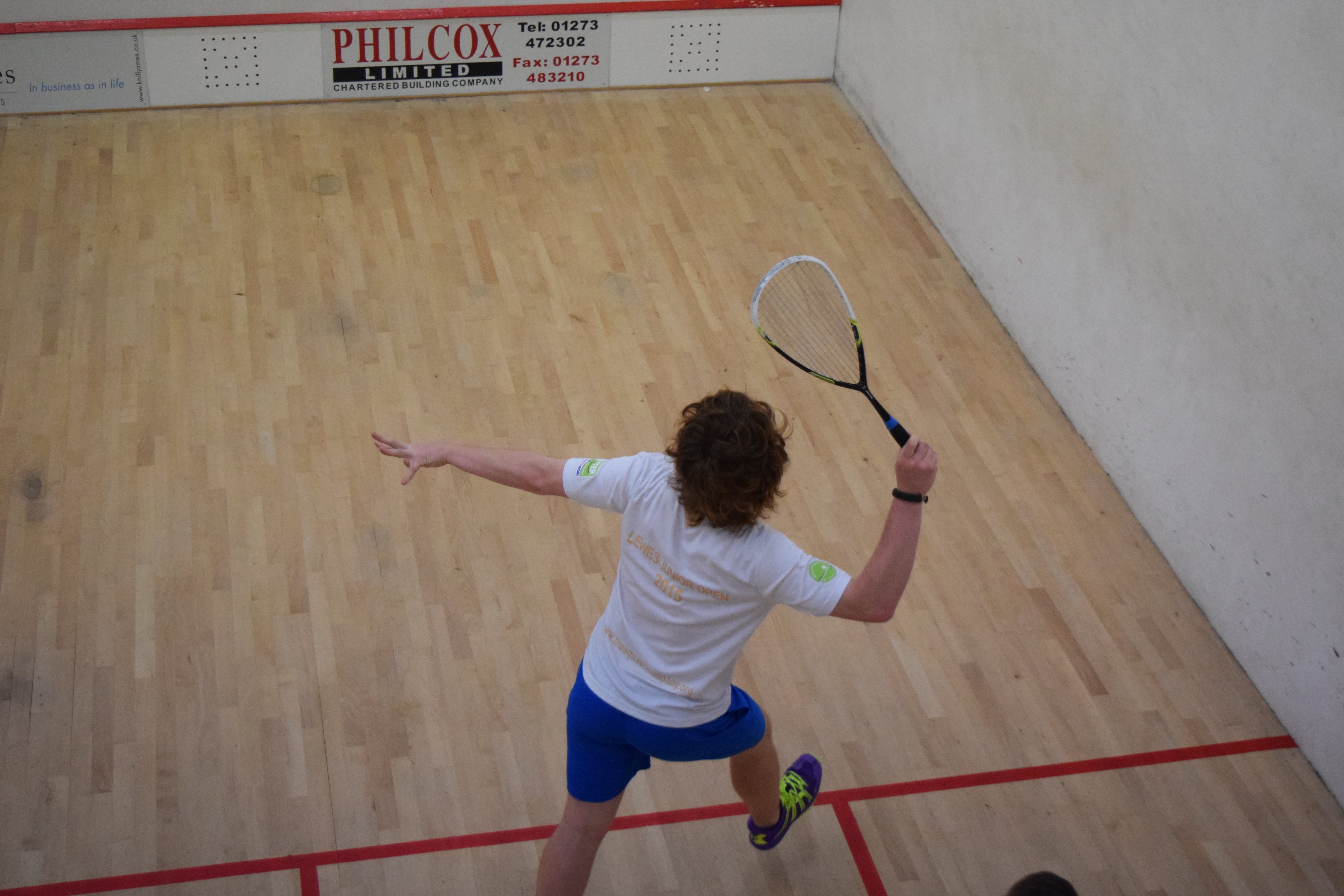
VOLLEY-5-min

If you are going to Cross-Court Volley a Serve, or hit a Cross-Court Volley at any time, try to take it as early as you can. This not only takes more time away from your opponent but it also means they are less likely to be established on the T-Position after their previous shot. If you can hit it early enough, you will hopefully catch them with their body weight going towards the T-Position as they move forwards, which would make it very hard for them to change direction and return a well hit Cross-Court.

Alternatively, you can look to Cross-Court on the Volley a little bit later as a player’s serve comes off the side wall. The idea here is to catch them when they are starting to drift in towards your side of the court anticipating a Straight shot. With their weight heading away from the T-Position, a sudden change of direction can be lethal and leave them scurrying to stay in the rally.

In conclusion, if you want to Cross-Court Volley more effectively as a Return of Serve, either hit it very early or a lot later.


Filed Under: Return of Serve, Tips, Volley

Following up short shots from the back & taking the vacant T 


Going short to go long. 

Traditionally the best way to get the T-Position back from an opponent has been to play to length. However, it can also be beneficial to go short before you go long for variation and also to counteract certain styles of play.

This is a tactic that was used to really great effect by James Willstrop in his recent match against Mohamed Elshorbagy https://www.youtube.com/watch?v=r2USpFYYlGQ at the 2015 World Championships where shortly after recovering from his hip problems, he produced a tactical master class to outwit Elshorbagy in the 3rd round.

Taking away options in the middle of the court  

Part of the reason Willstrop went short from the back regularly (I presume – I’m not privy to his tactical and coaching discussions) is that it can be really effective against tall players, players who are very good on the volley and attacking the ball early around the middle of the court especially those who enjoy chopping it downwards. When you go short from the back, you deprive them of a length shot to intercept and you can force them off the middle. Elshorbagy is also very dangerous at chopping the ball downwards, so with the ball already being very low, it limited his options and denied him some of his favoured attacking shots.

When you’re playing a player who is very good at attacking around the middle of the court, this might be a way to turn the game on them.

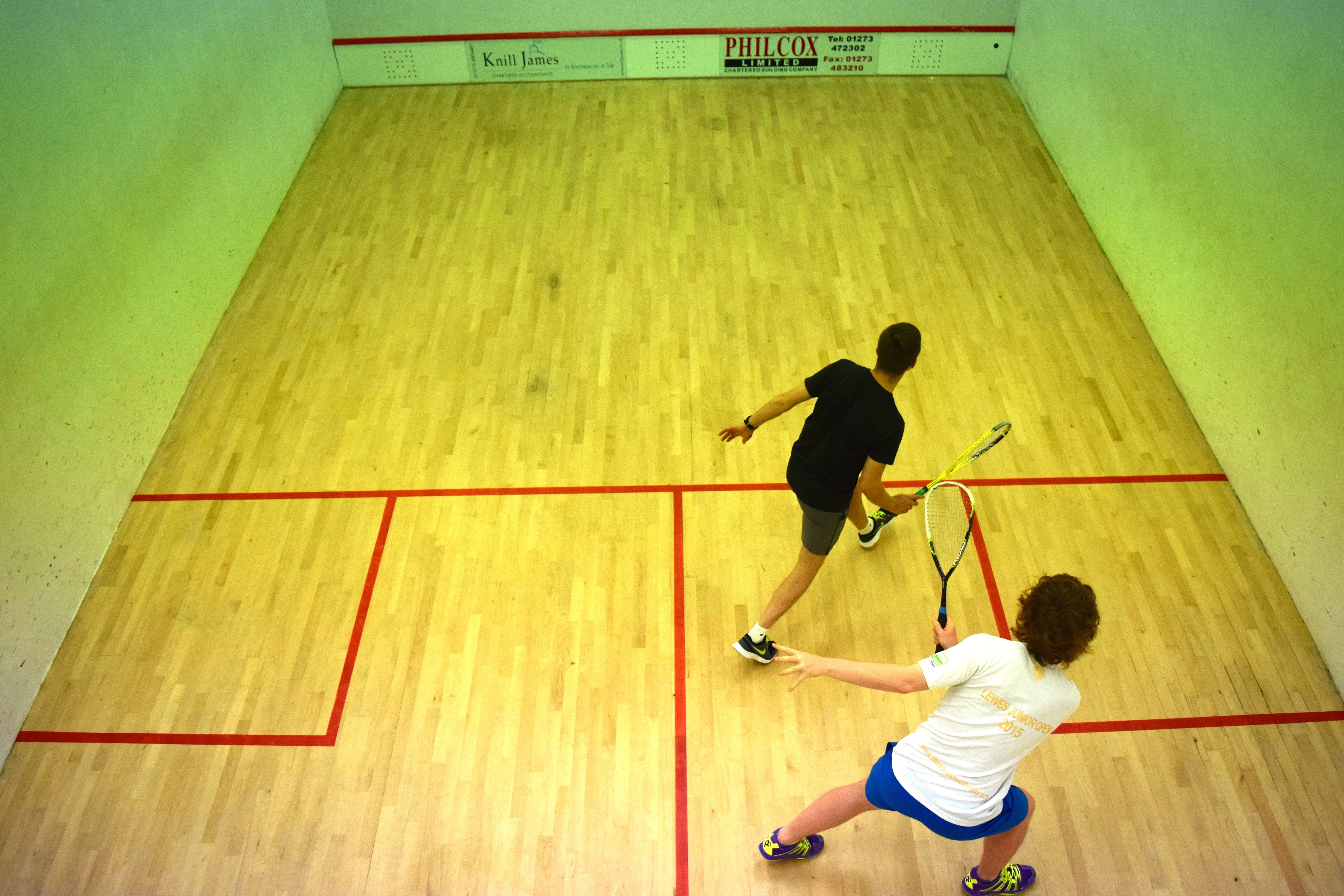
DSC_0154-min

Following up a short shot

The way to make it really effective though is to make sure you’re pushing up high onto the T-Position, which hopefully your shot has forced them to leave, and looking to attack their next shot. The ideal scenario is for them to return your attacking boast, kill or drop from the back with a weak length shot, which you can pick off with a long volley and thereby force them into an end-to-end sprint.

More composed players may respond by going short or even lobbing the ball to try and deprive you of the volley, so you need to make sure you are on the T-Position with intent so that you can cover the short shot and still move back to cover a good lob or length shot if required.

The bottom line is when you go short from the back, follow it up and push high up the court looking for scraps to feed off. Much like a poacher or striker in football following up looking for a goalkeeper to spill the ball, you need to be pushing up, hunting for any sign of a weak shot you can attack and push to length to get your opponent moving up and down the court at speed. There is nothing worse than playing a great short shot and forcing a rushed return from your opponent, only to be too far back to take advantage of it.

Have a go no matter who you’re playing against. Short and long or long and short is the most simple but effective tactic in the game and this idea of going short first can be useful against any player. If you are playing someone with good ability on the T-Position or taking it early, it’s something to try in order to snatch back control of the middle.


Filed Under: Boasts, Drops, Kills, Stun, Tactical, Tips, Volley

  • « Previous Page
  • 1
  • 2


Terms | Privacy policy | Contact | About us
Web Development By S G Barker.